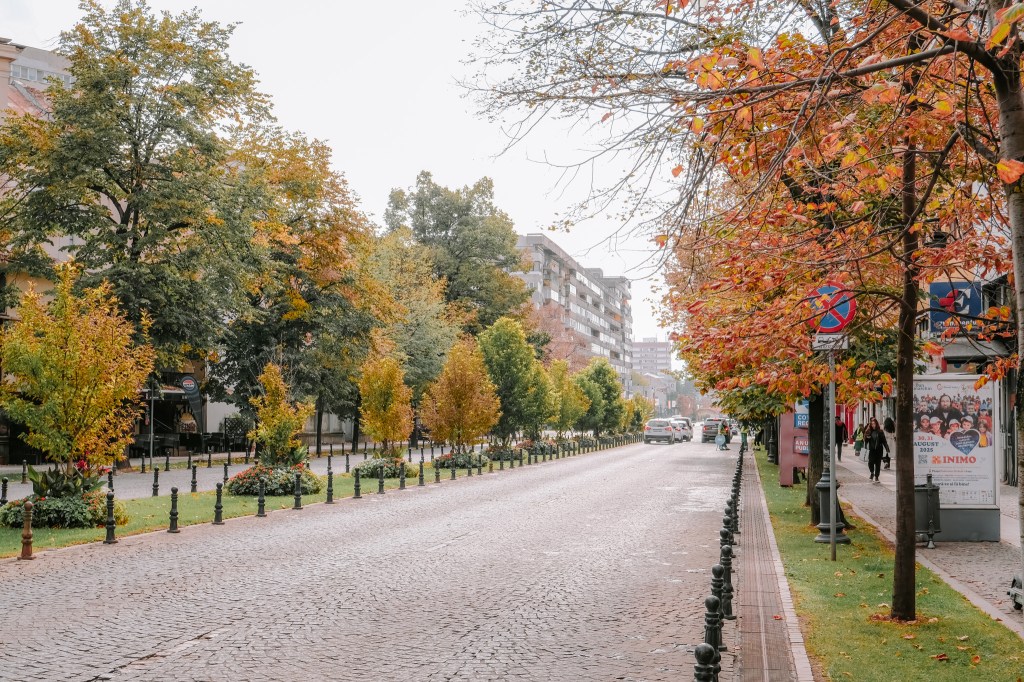
A two-week adventure through Romania: exploring Iași to Brașov
Romania, a land of deep history, stunning landscapes, and rich traditions, is often overlooked by travelers heading to its more famous neighbors. From cobbled streets steeped in centuries of history to breathtaking mountains, valleys, and cultural delights, Romania offers an unforgettable journey for those who know where to look.
Iași: The cultural heart of Moldova
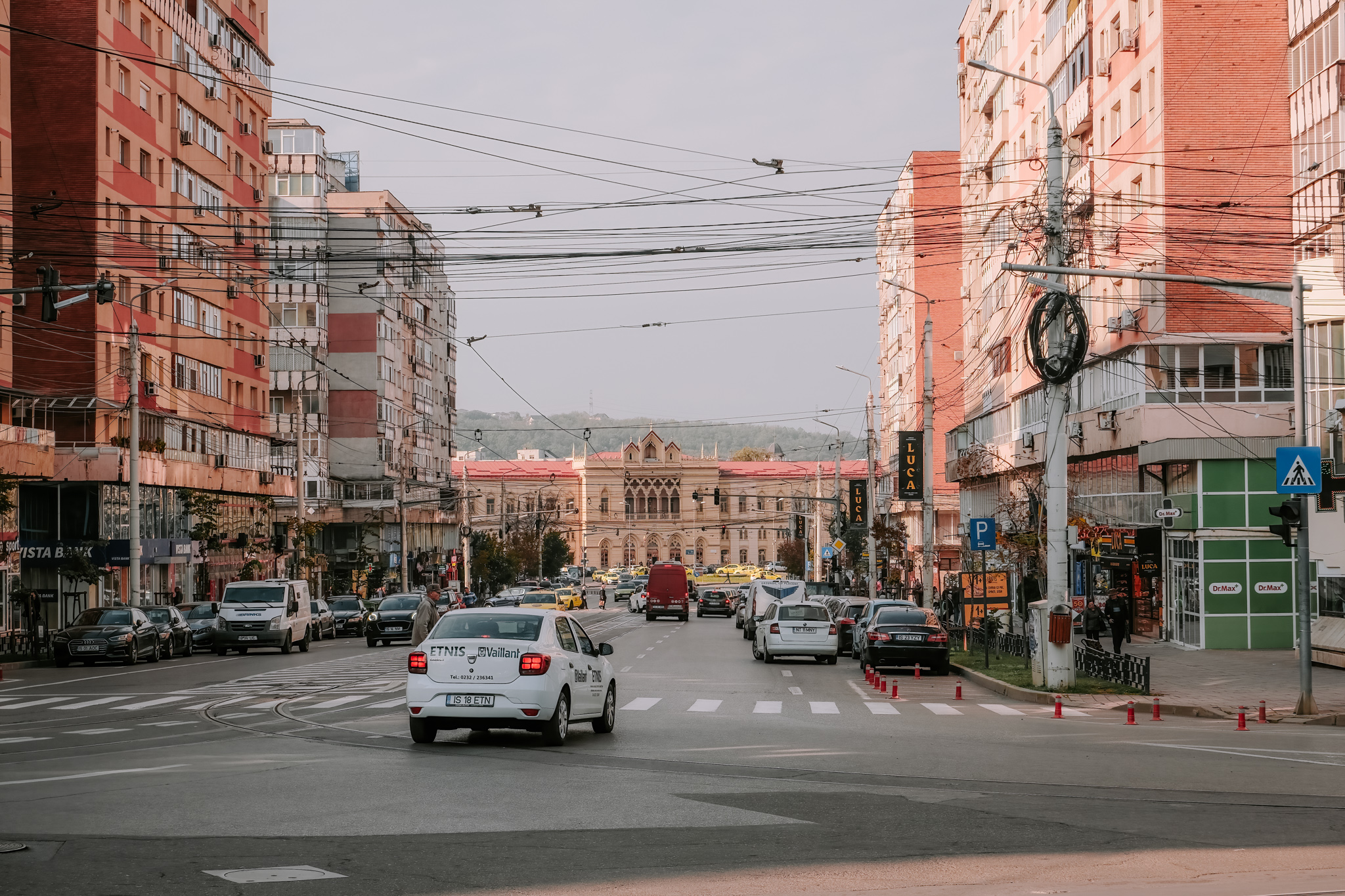
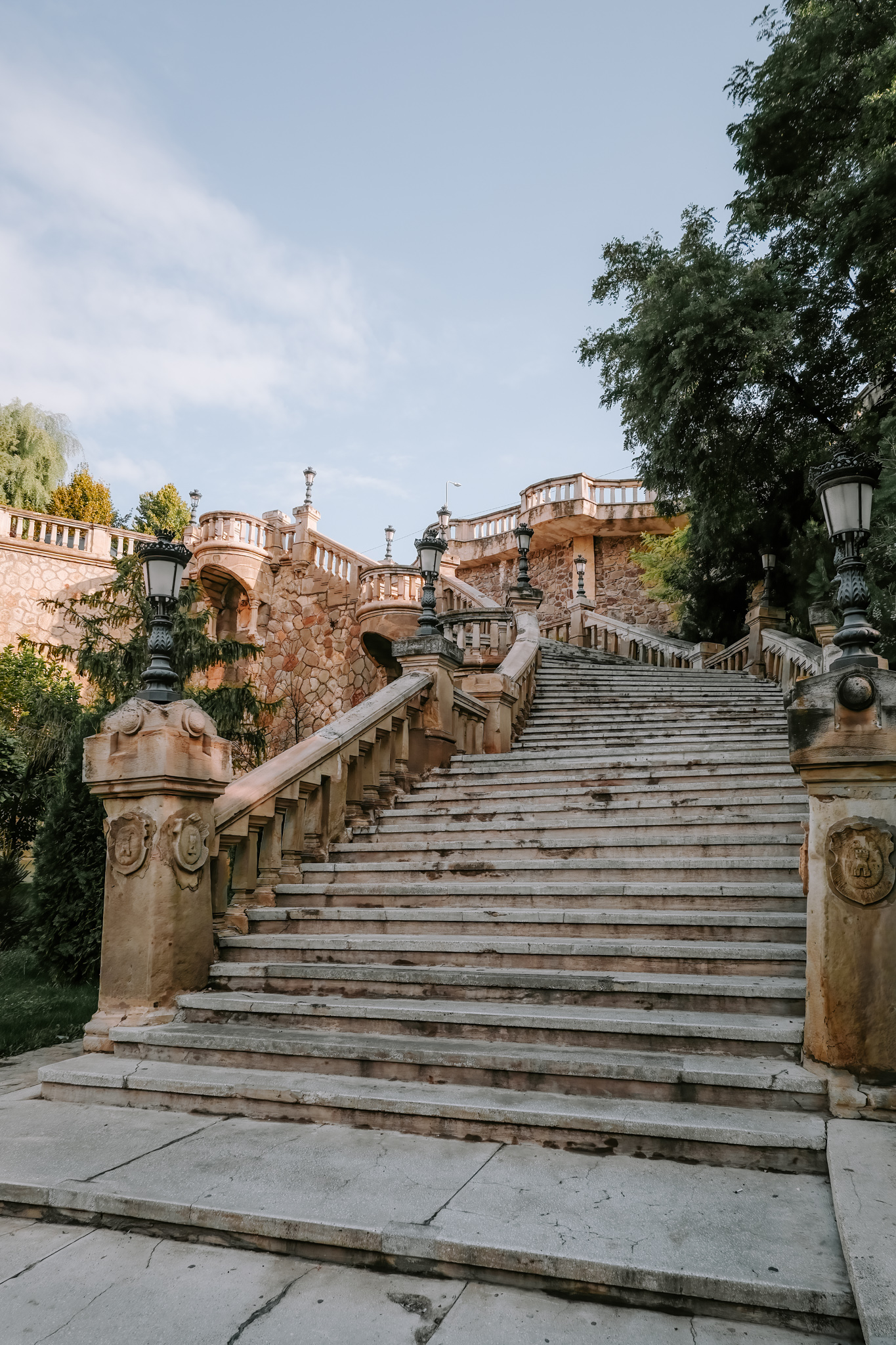
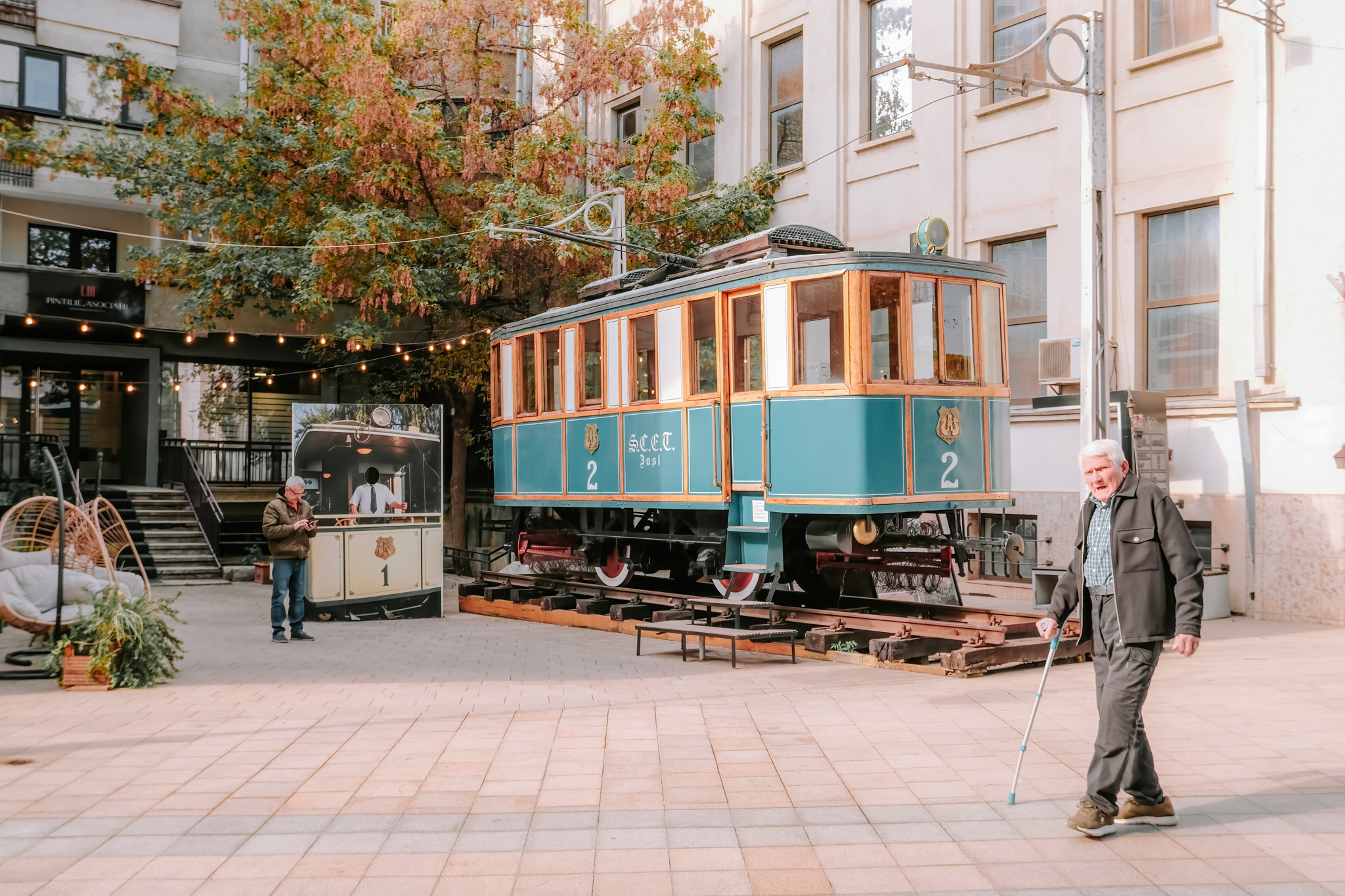
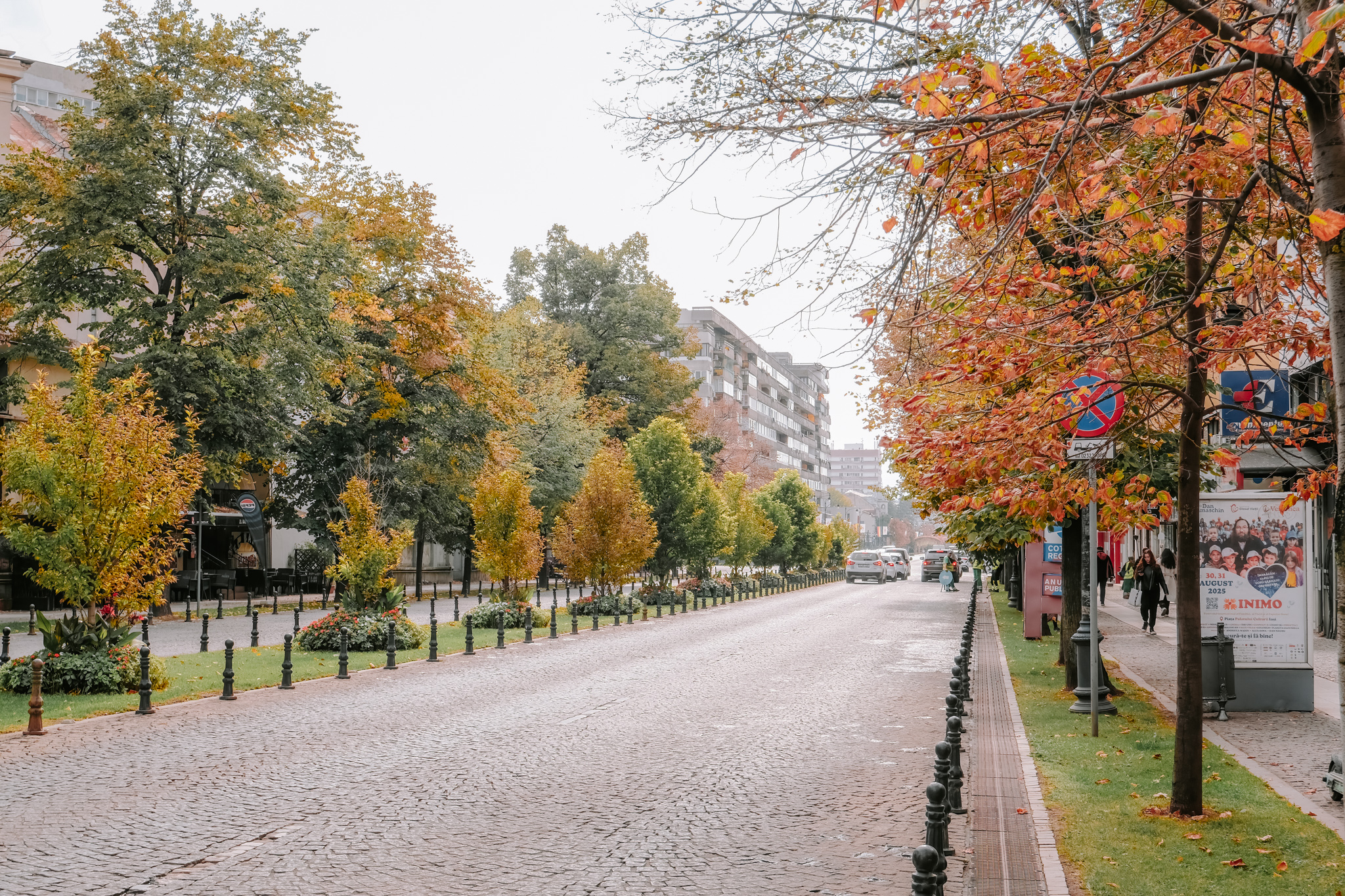
Our journey began in Iași, one of Romania’s oldest and most culturally significant cities, located in the northeastern part of the country. Iași is often considered the cultural capital of Romania’s historic region of Moldova, with a history stretching back over a thousand years.
Historical Charm
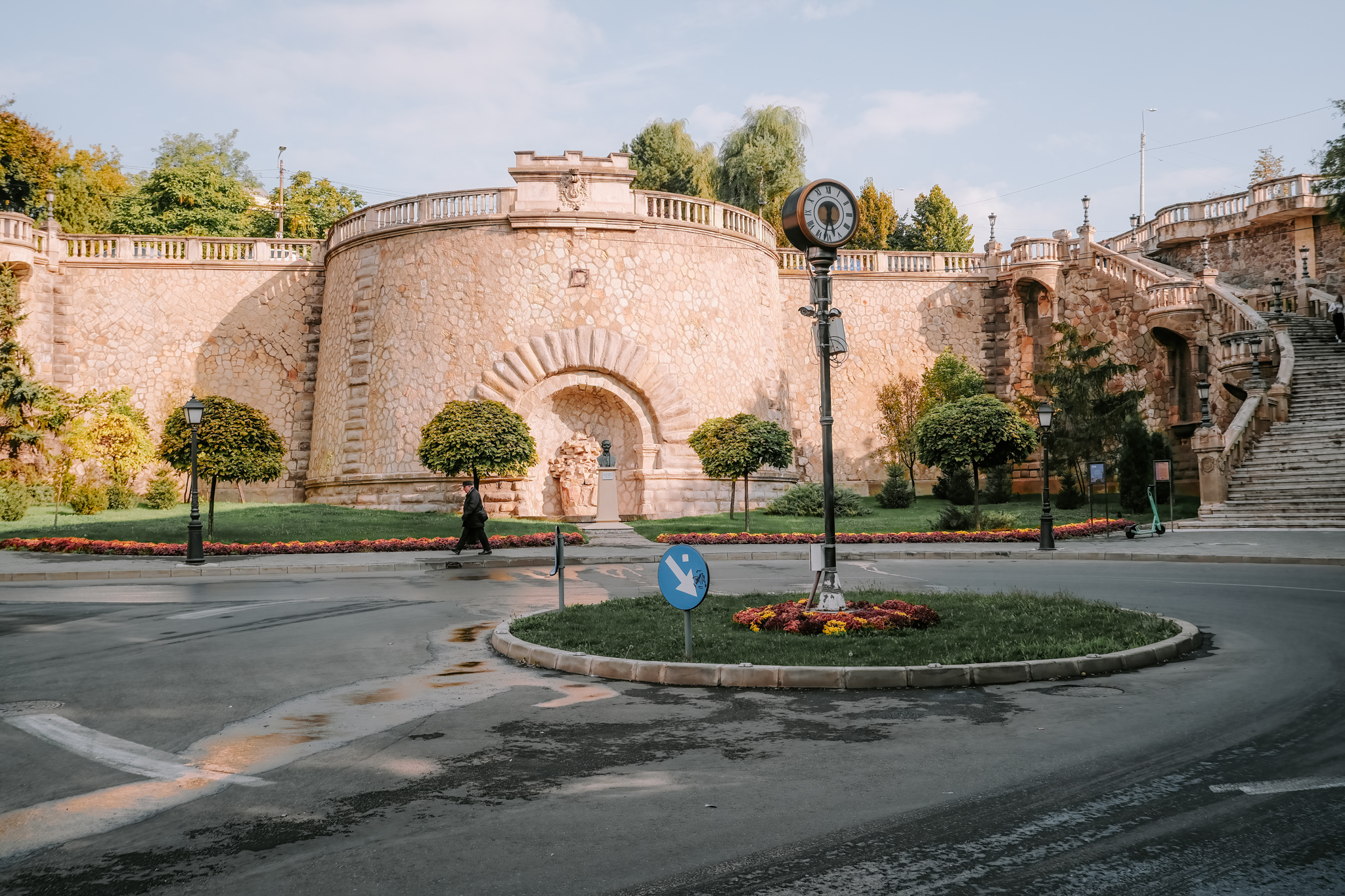
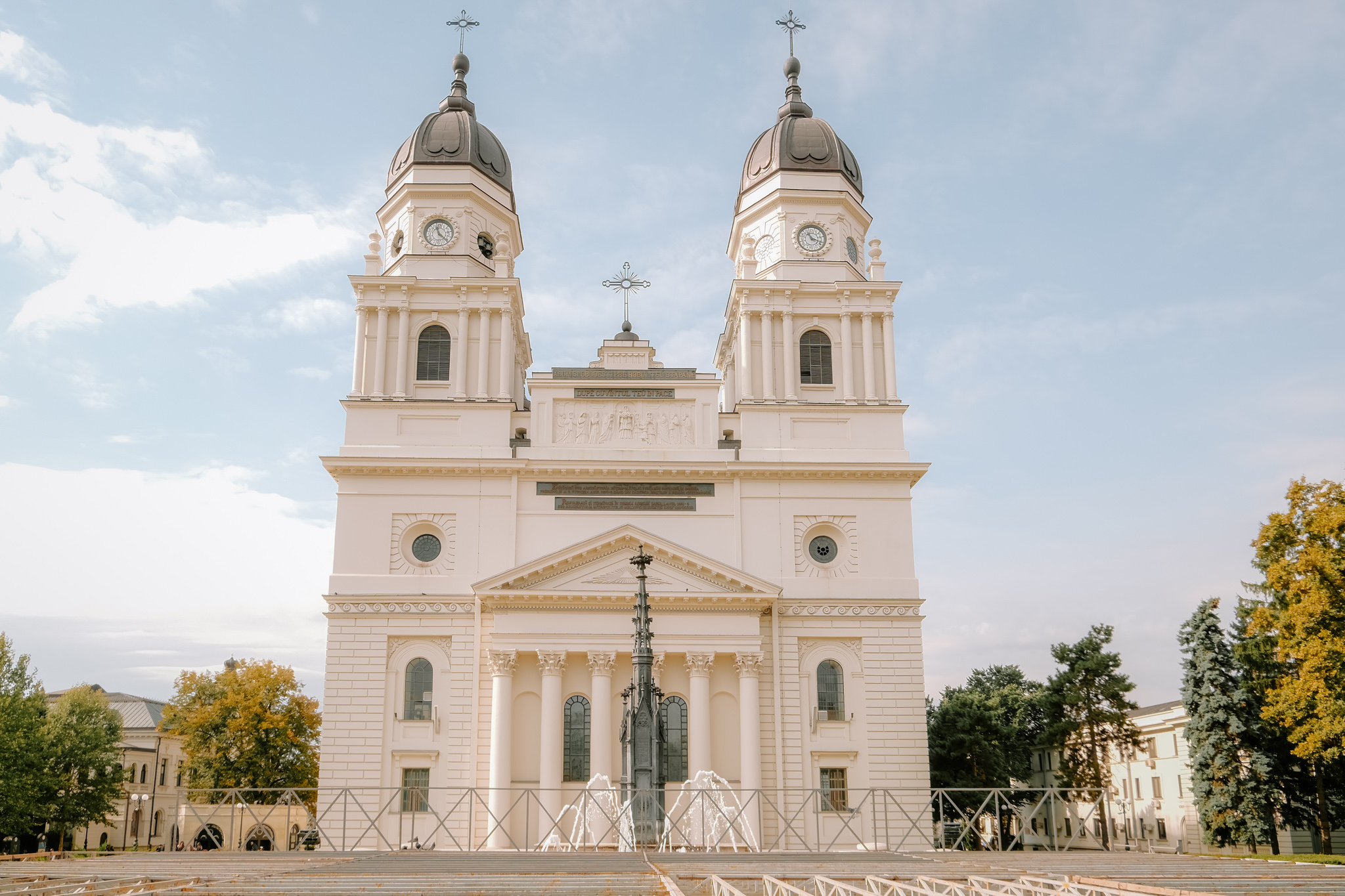
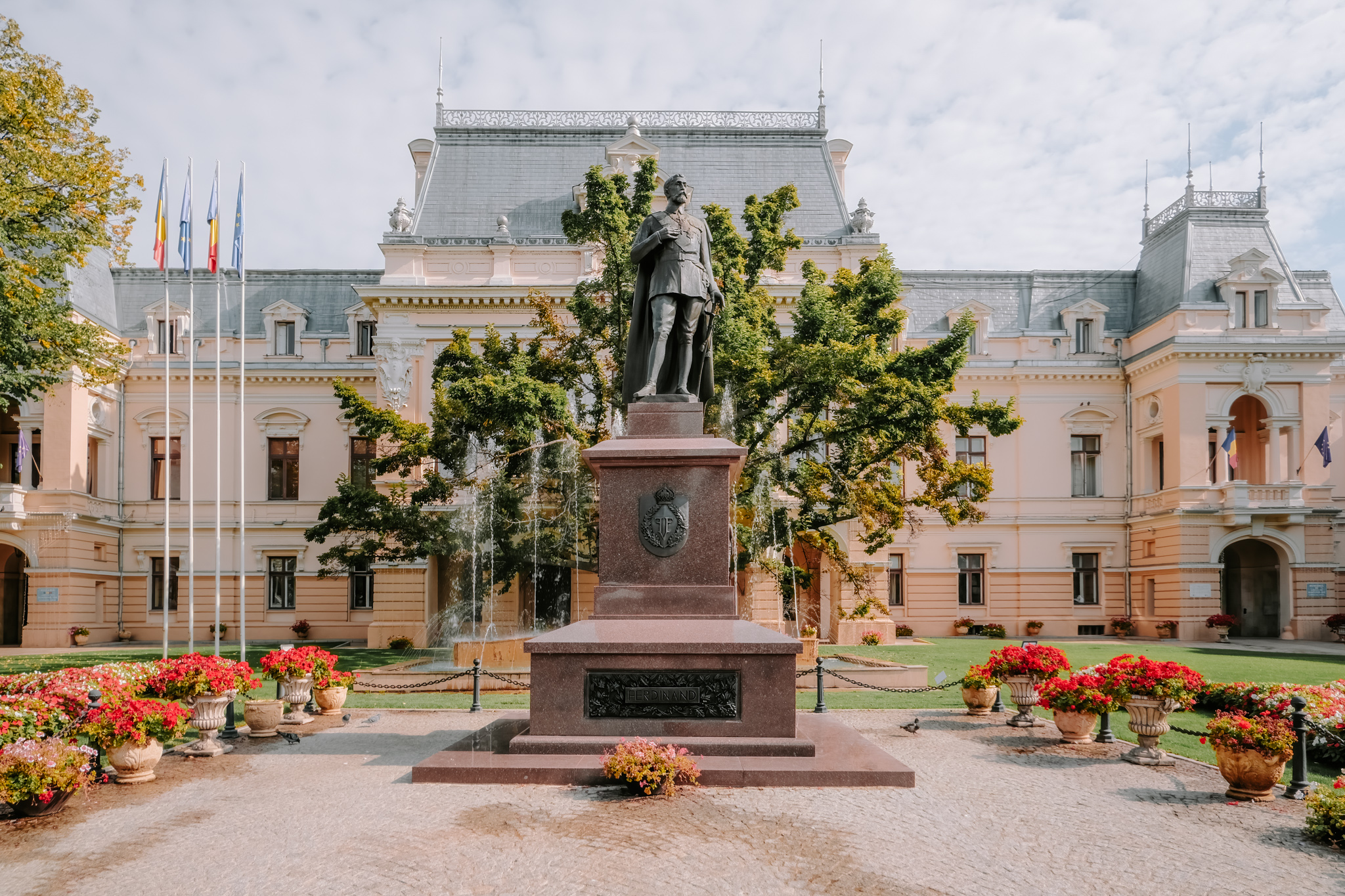
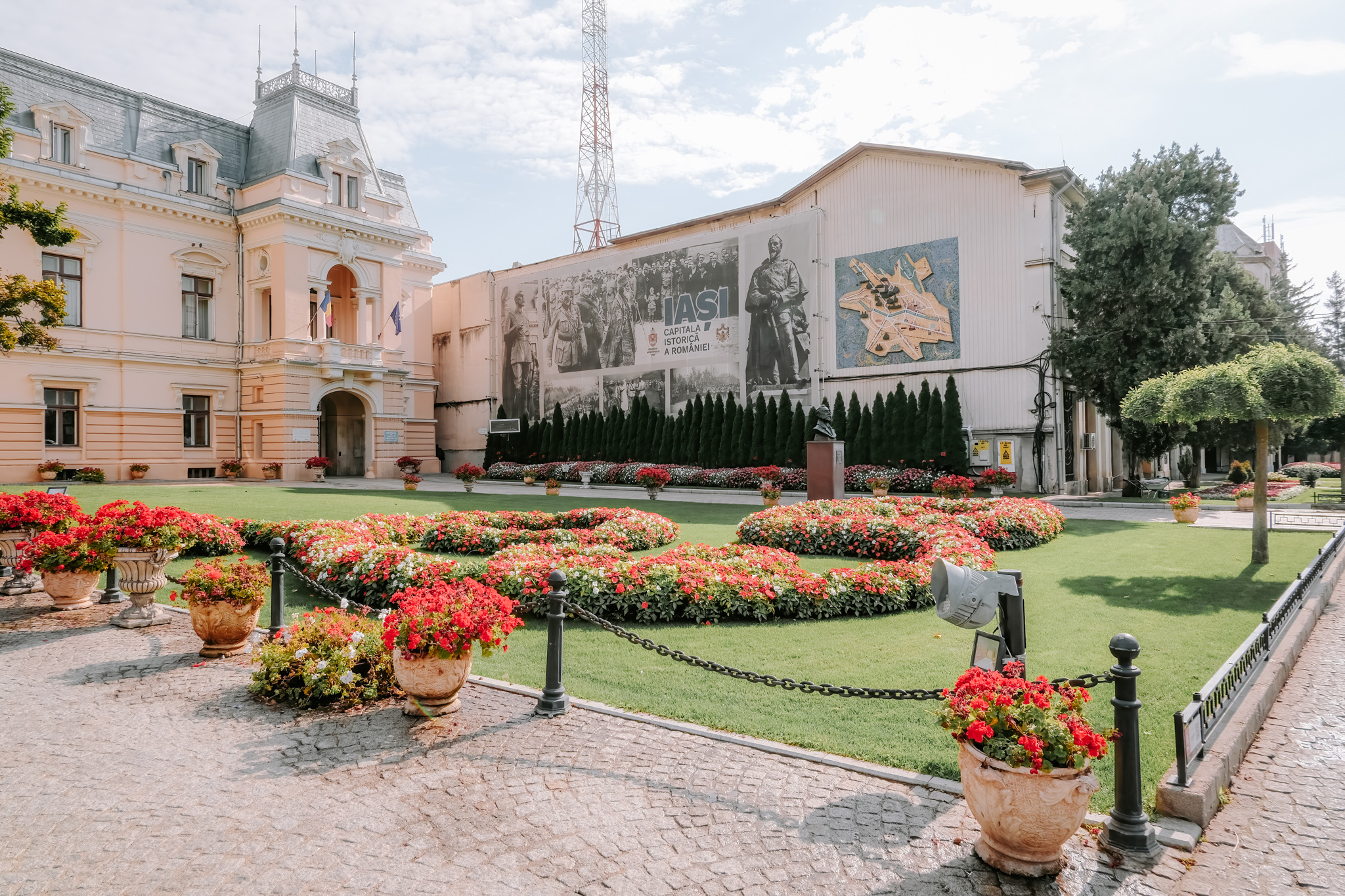
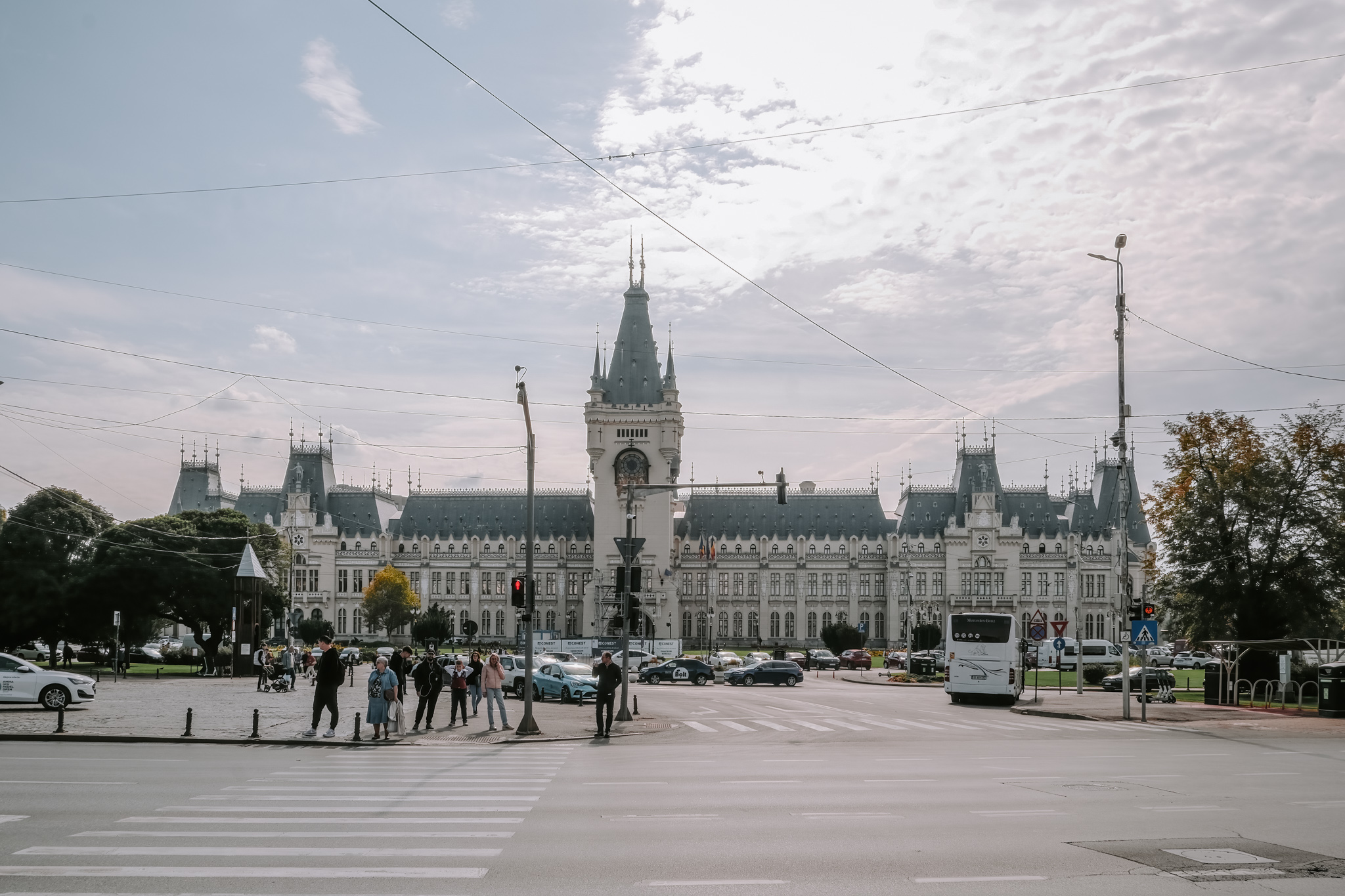
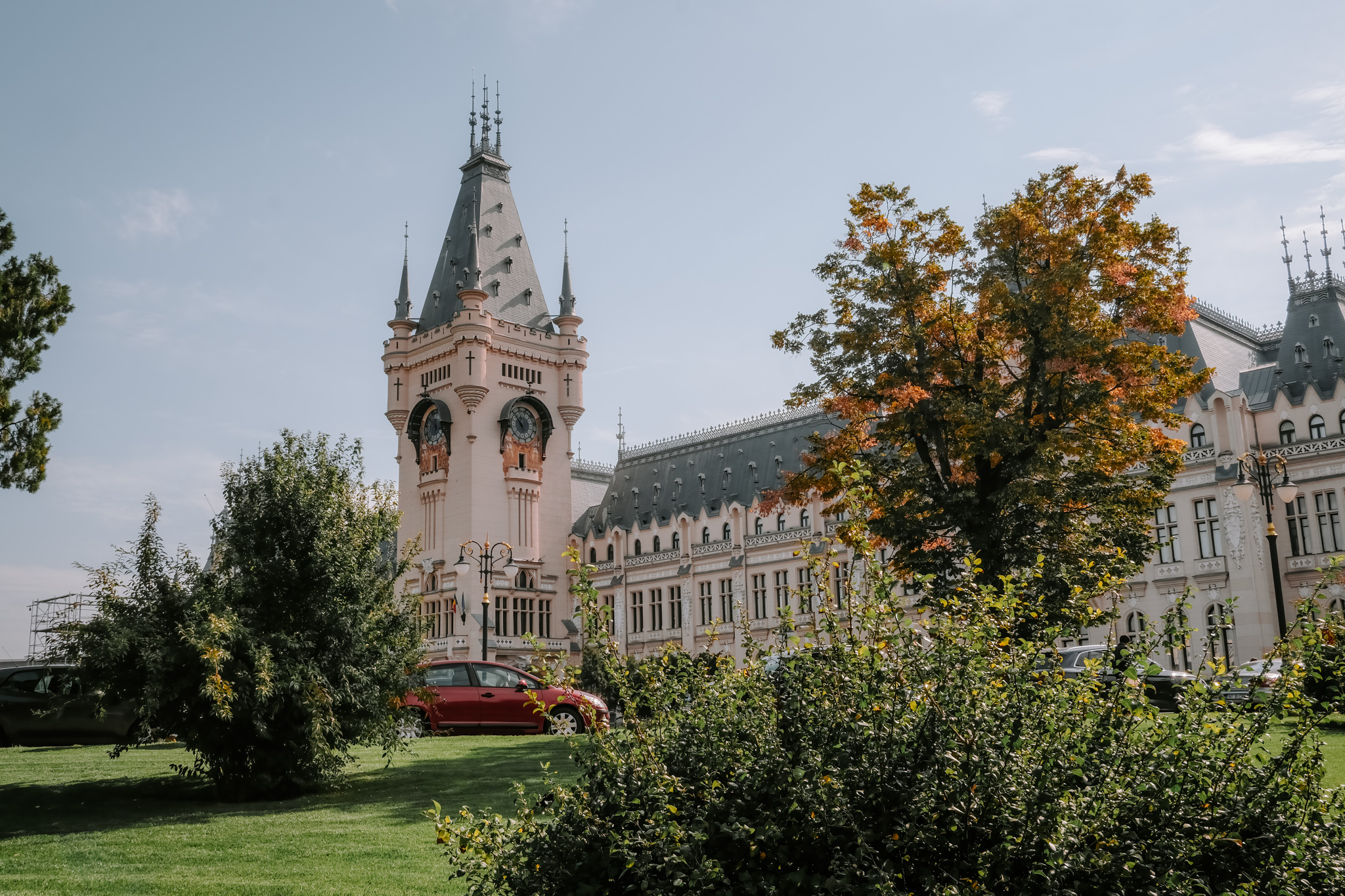
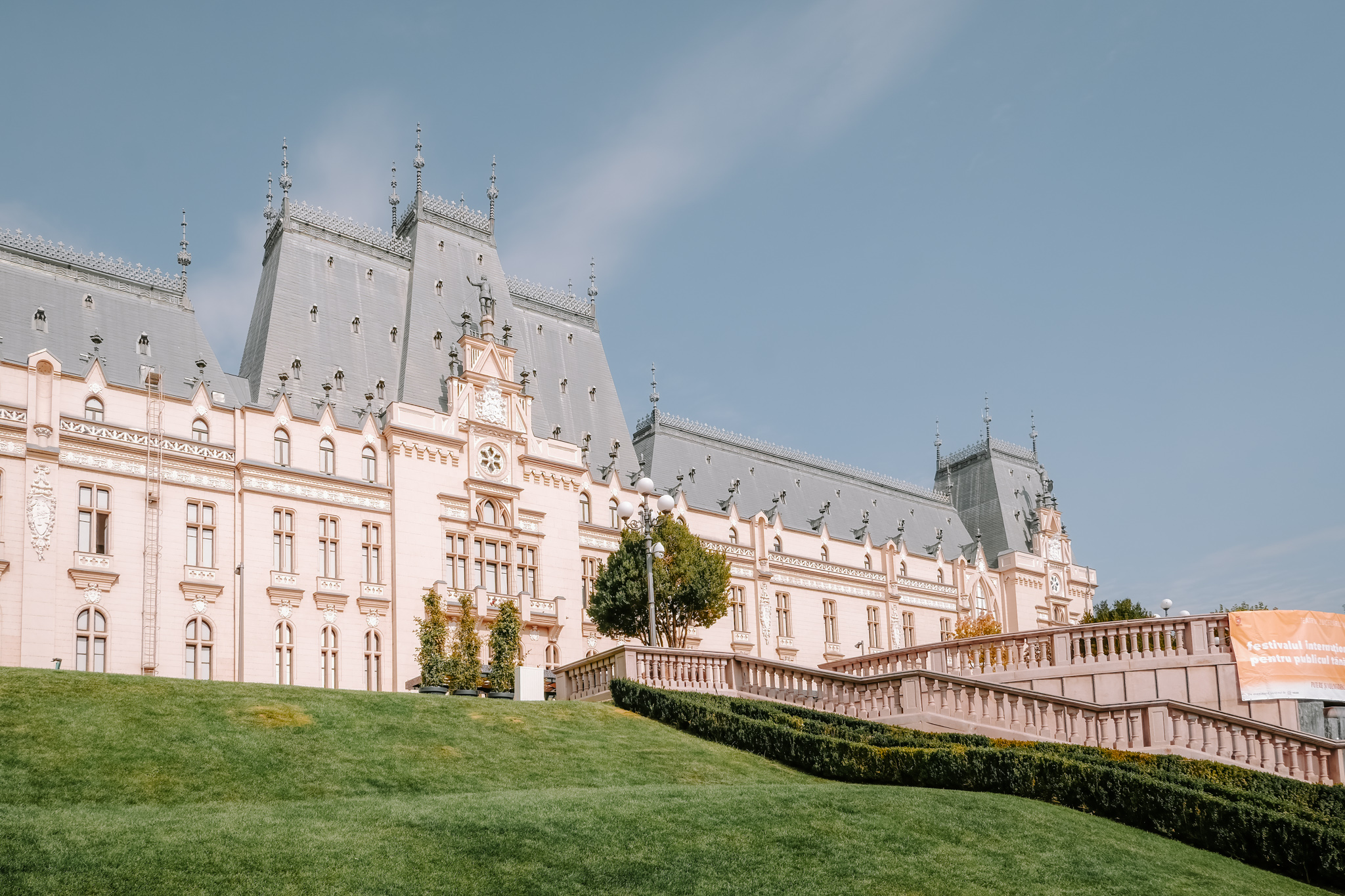
Iași has seen some of the most pivotal events in Romanian history. The city was the capital of the principality of Moldova until 1862 and later became a major center of learning and culture. One of the city’s most famous landmarks is the Palace of Culture, a neo-Gothic masterpiece that houses several museums, including the History Museum of Moldova and the Art Museum. The impressive structure is hard to miss and a perfect place to start your exploration.
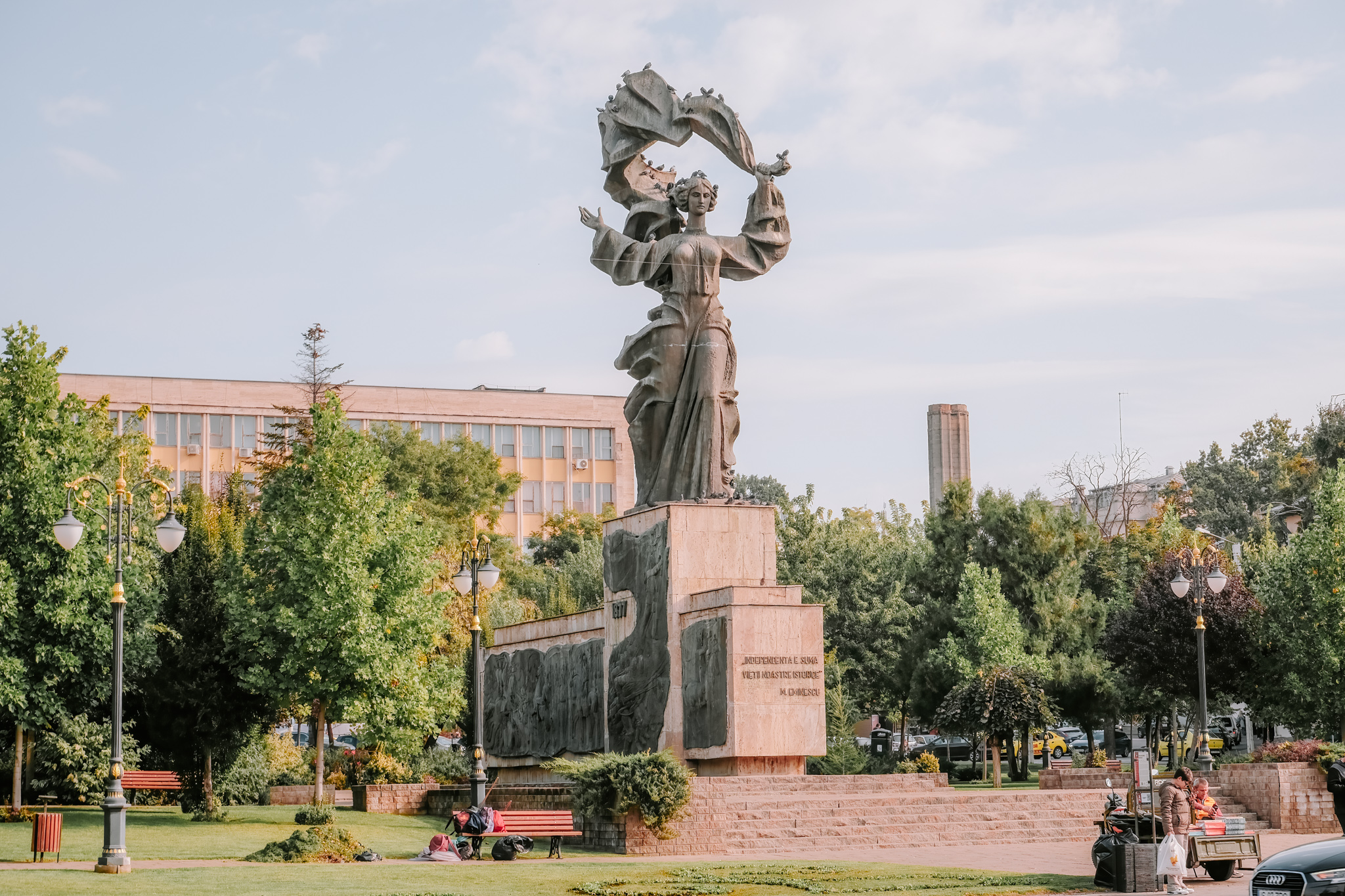
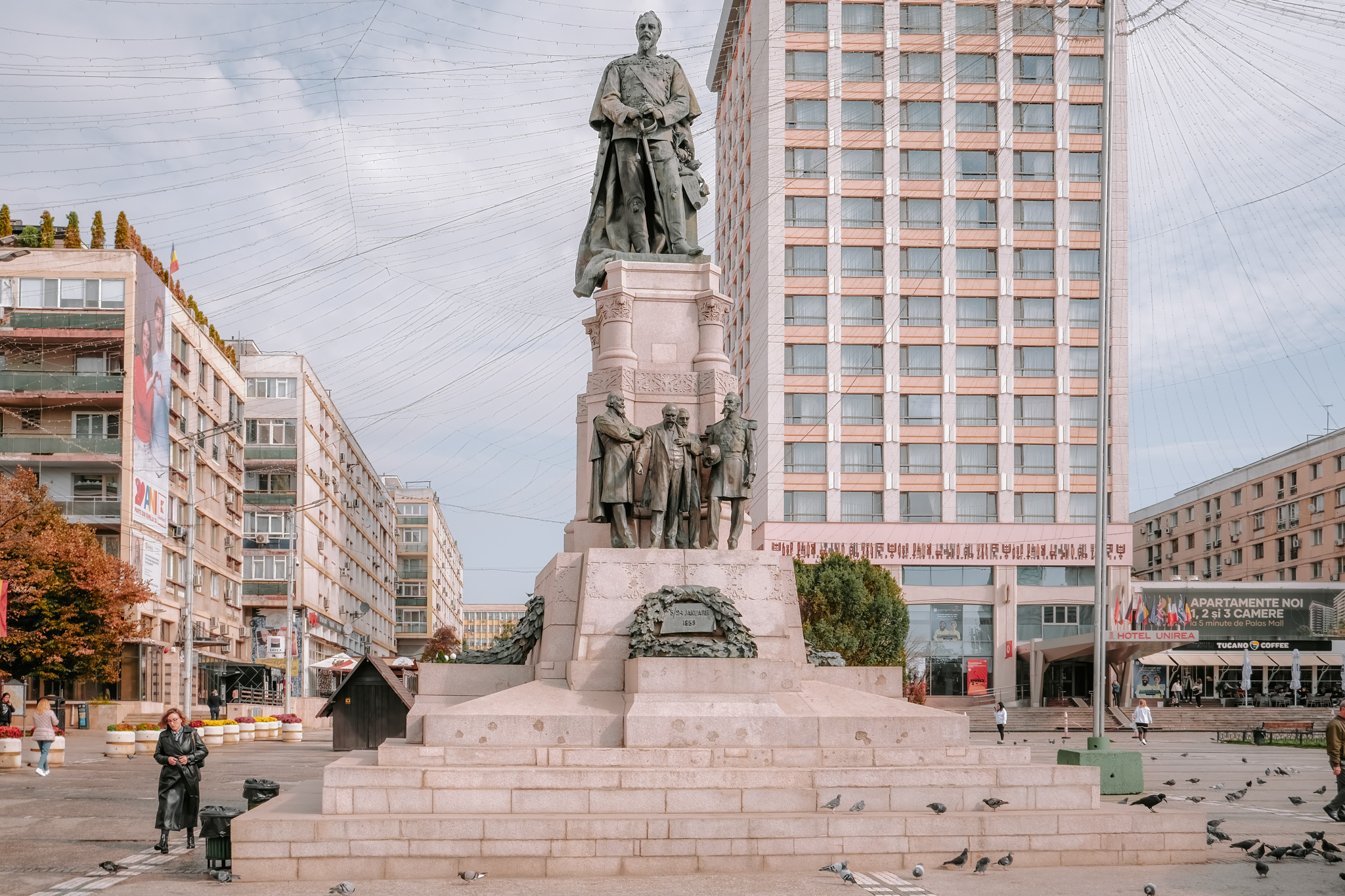
Another notable spot is the Iași National Theatre, one of the oldest theaters in Romania, where you can catch a performance or simply admire the architecture. As you wander the streets, you’ll pass the Union Square and Copou Park, a lovely spot for a relaxing stroll among centuries-old trees, where Romanian poet Mihai Eminescu famously spent time.
The surrounding area of Iași is equally enchanting, with lush hills and serene landscapes perfect for nature lovers. In terms of gastronomy, Iași offers an authentic taste of Moldovan cuisine, with influences from both Romanian and Ukrainian traditions. Some must-try dishes include mămăligă (cornmeal porridge), often served with sour cream, cheese, and a variety of meats like sarmale (stuffed cabbage rolls). The city also offers delicious placinte, a type of pastry stuffed with cheese, potatoes, or pumpkin. Pair your meal with a glass of Țuică, a strong Romanian plum brandy, for a true local experience.
Brașov: A step back into Medieval Romania
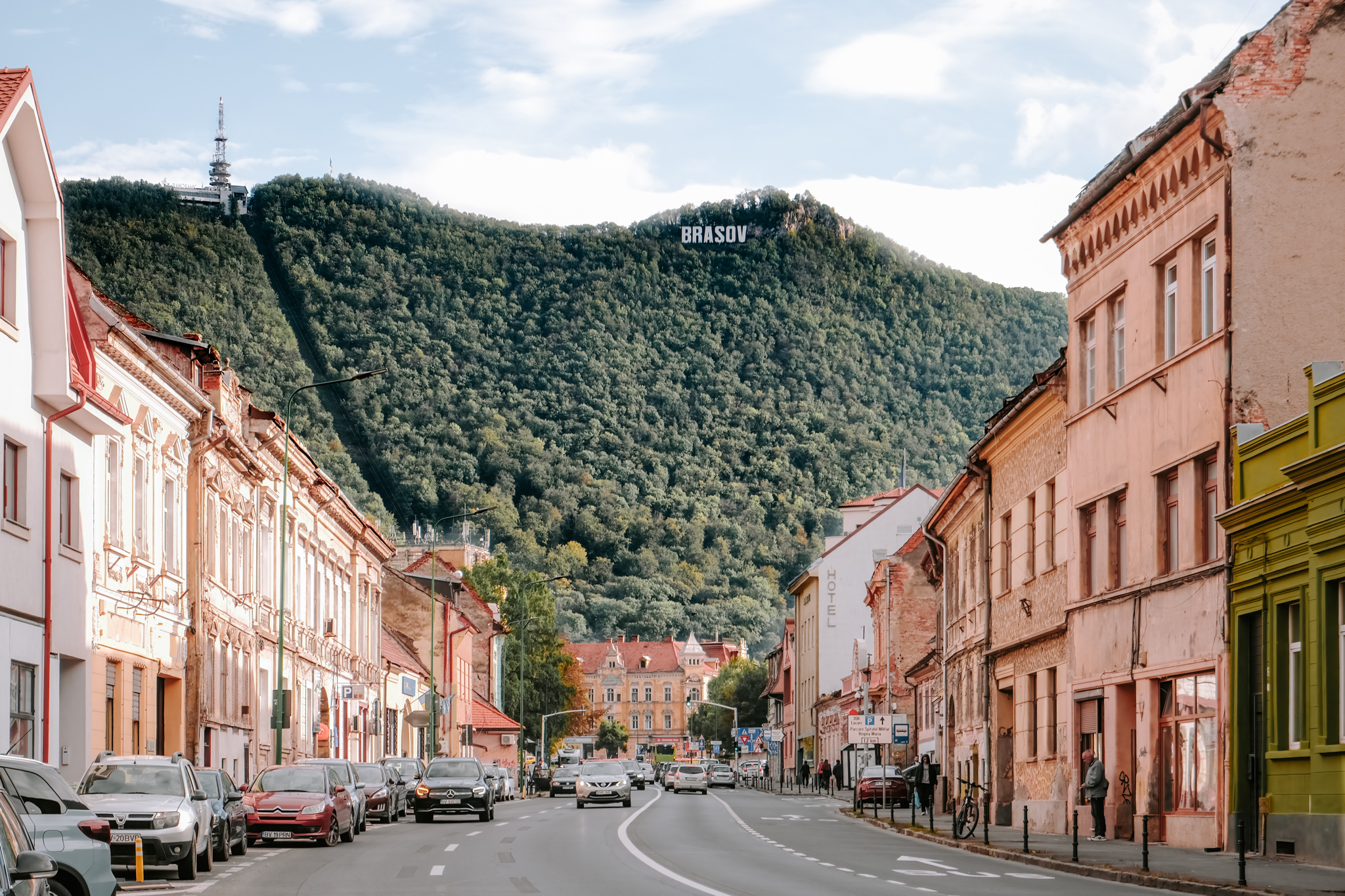
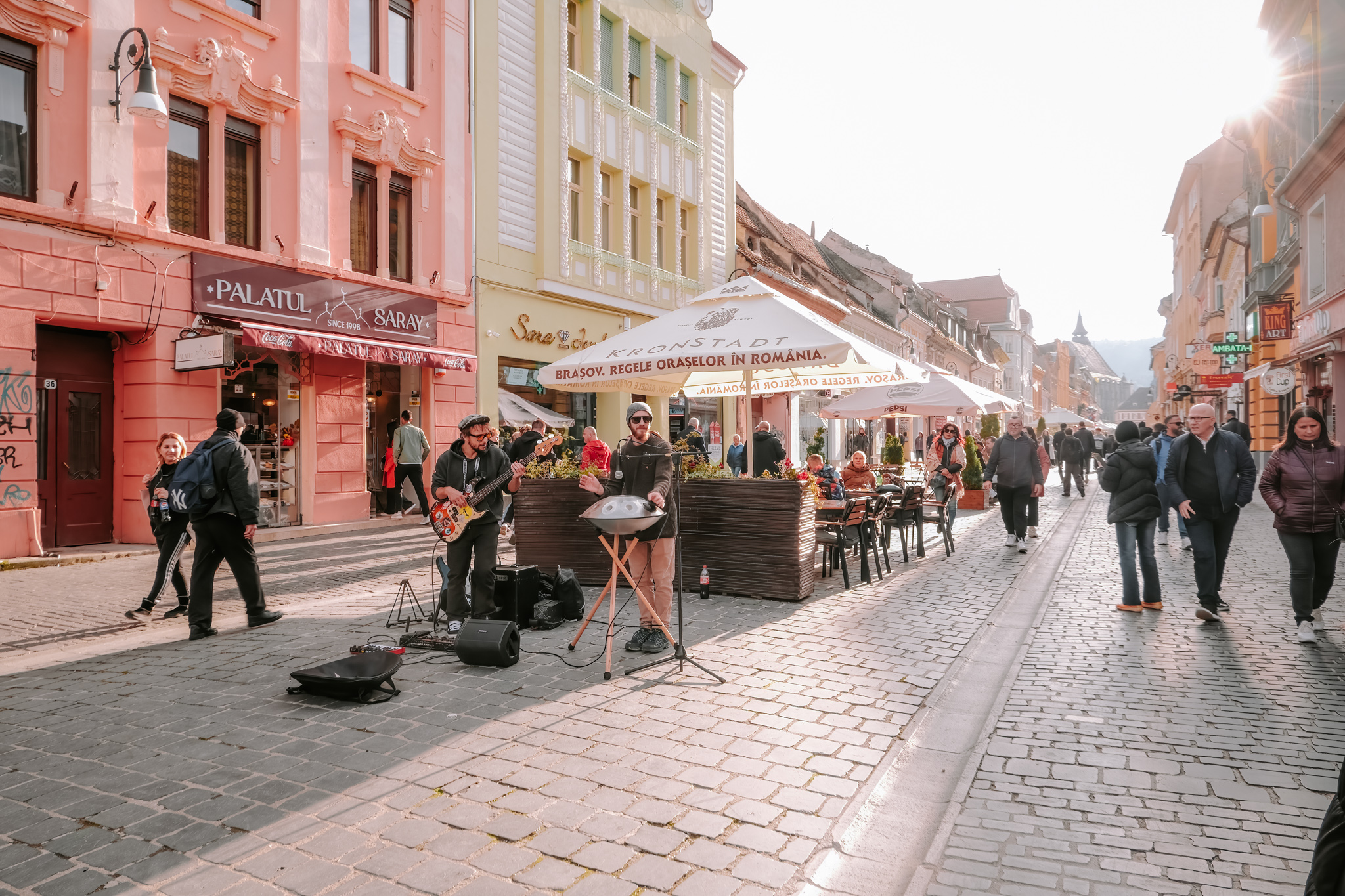
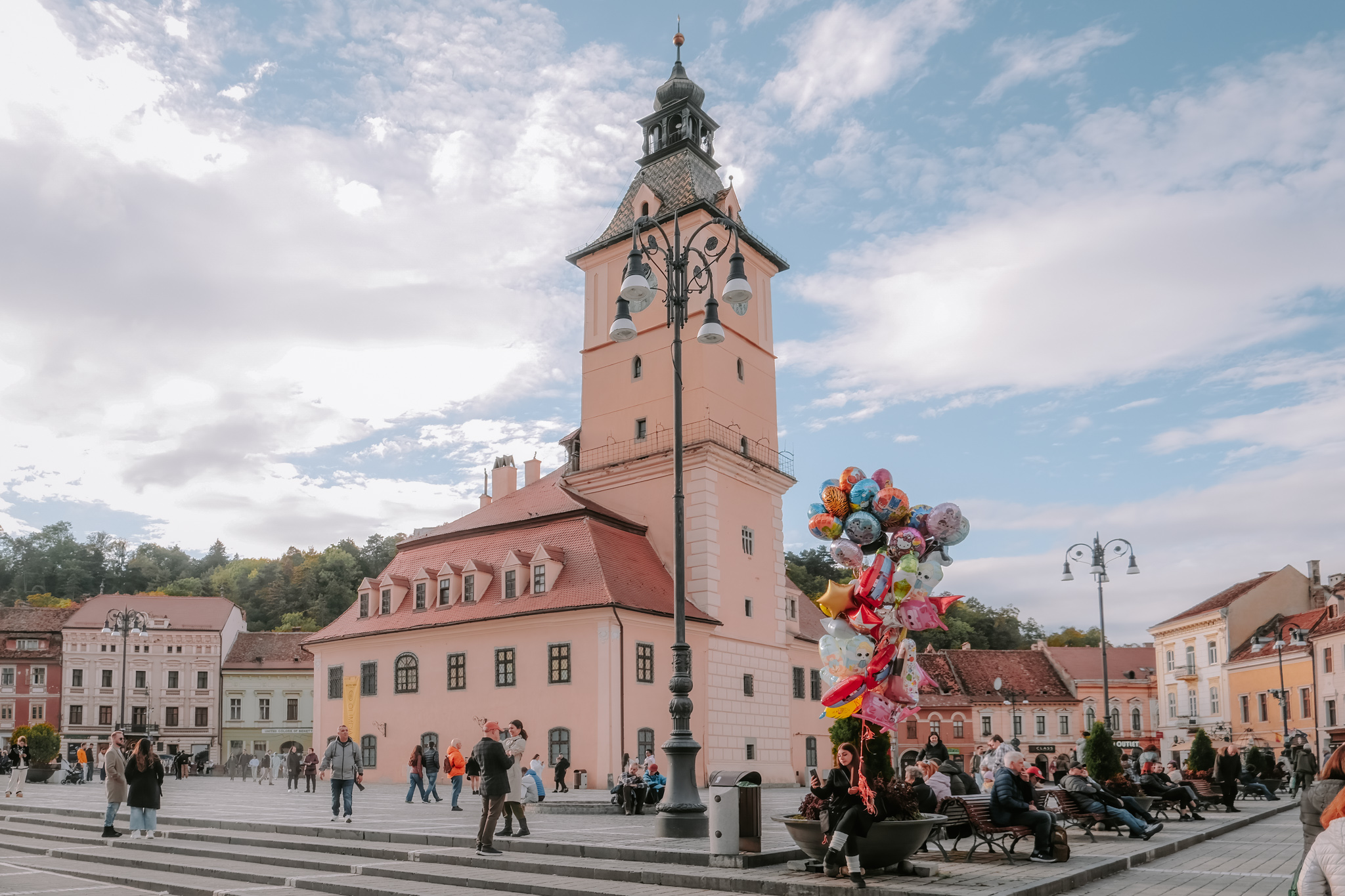
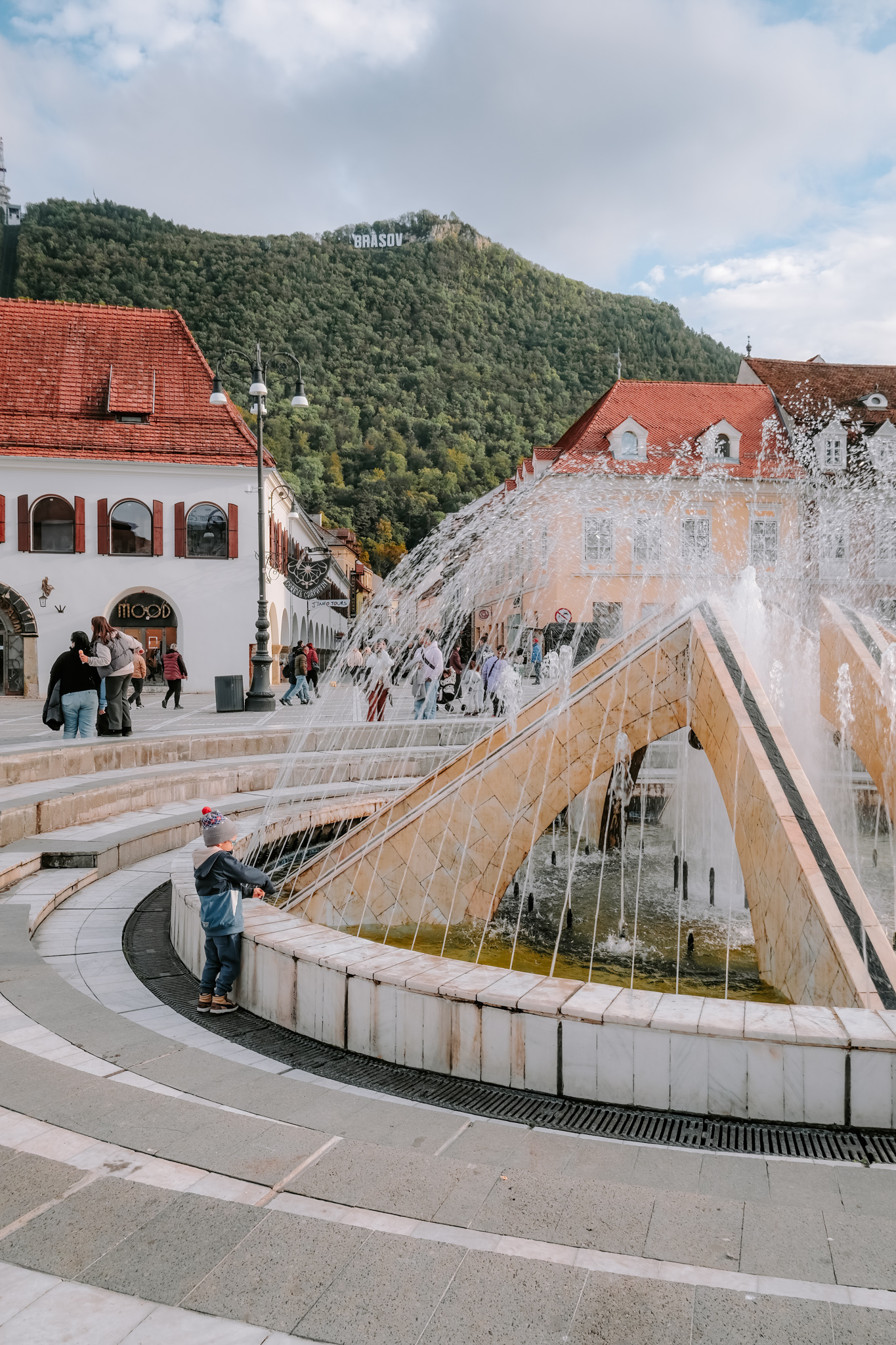
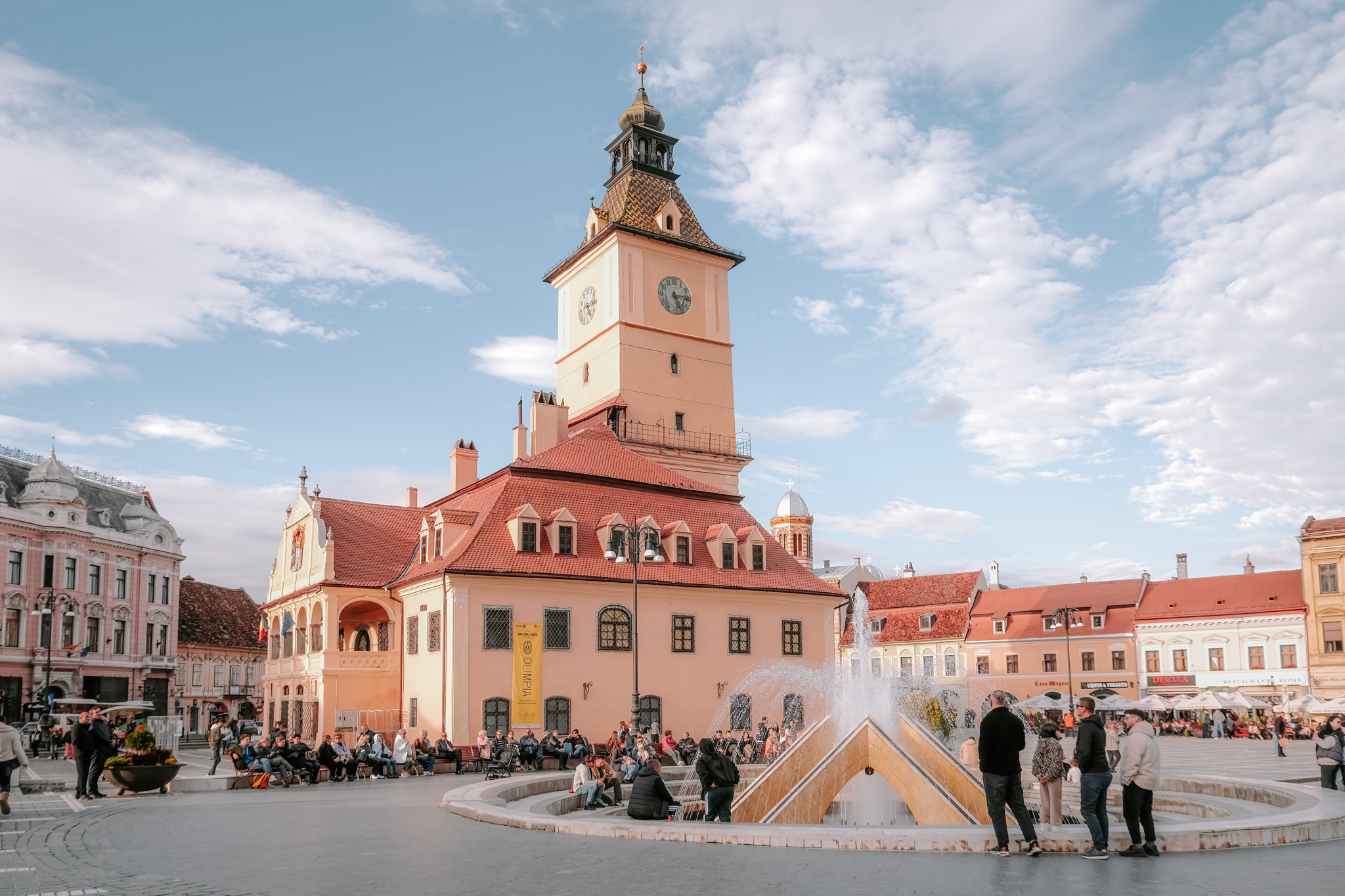
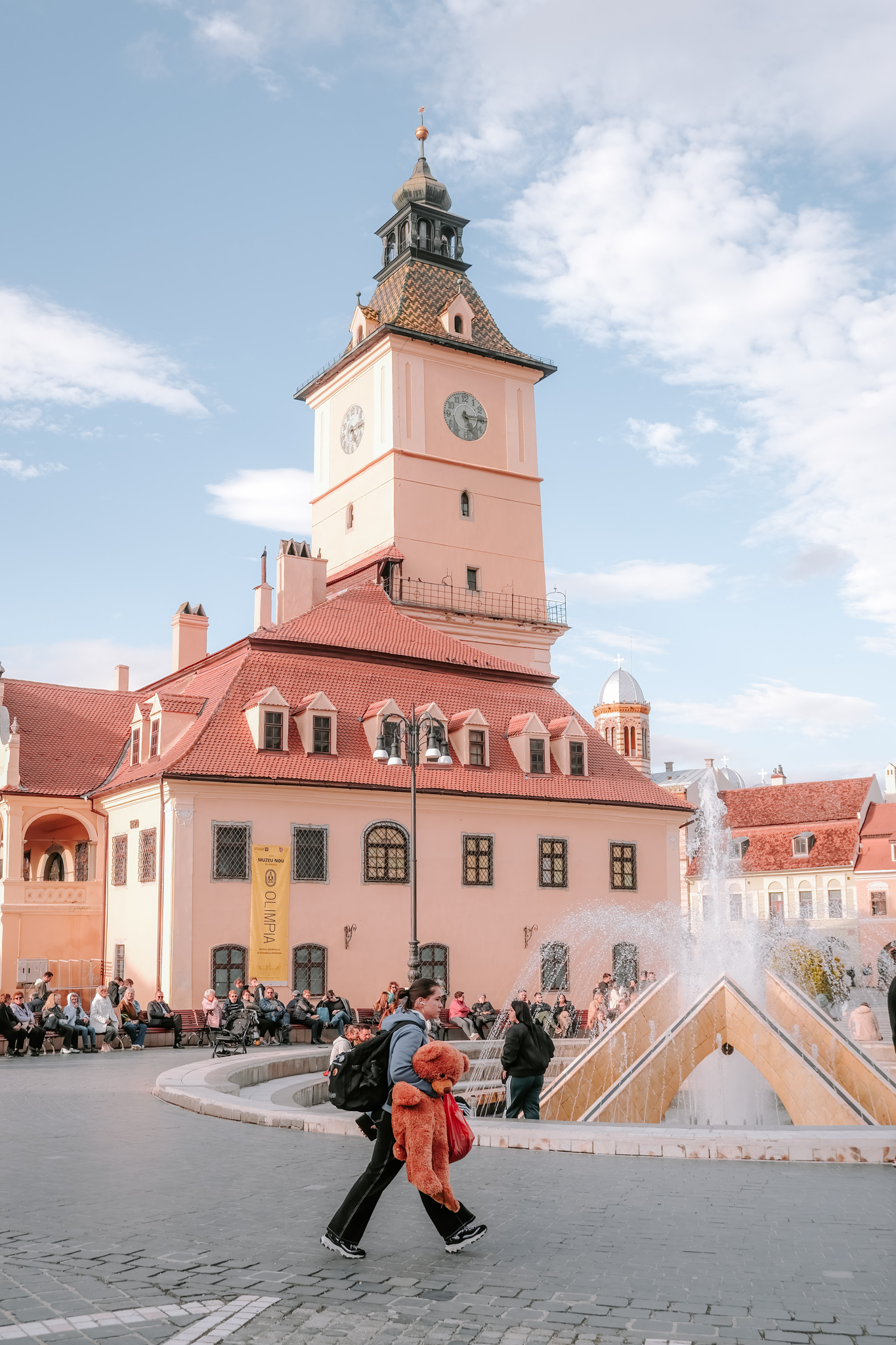
Next, we journeyed south to Brașov, a medieval city nestled at the foot of the Carpathian Mountains. Known for its well-preserved medieval architecture, Brașov feels like stepping into a fairy tale.
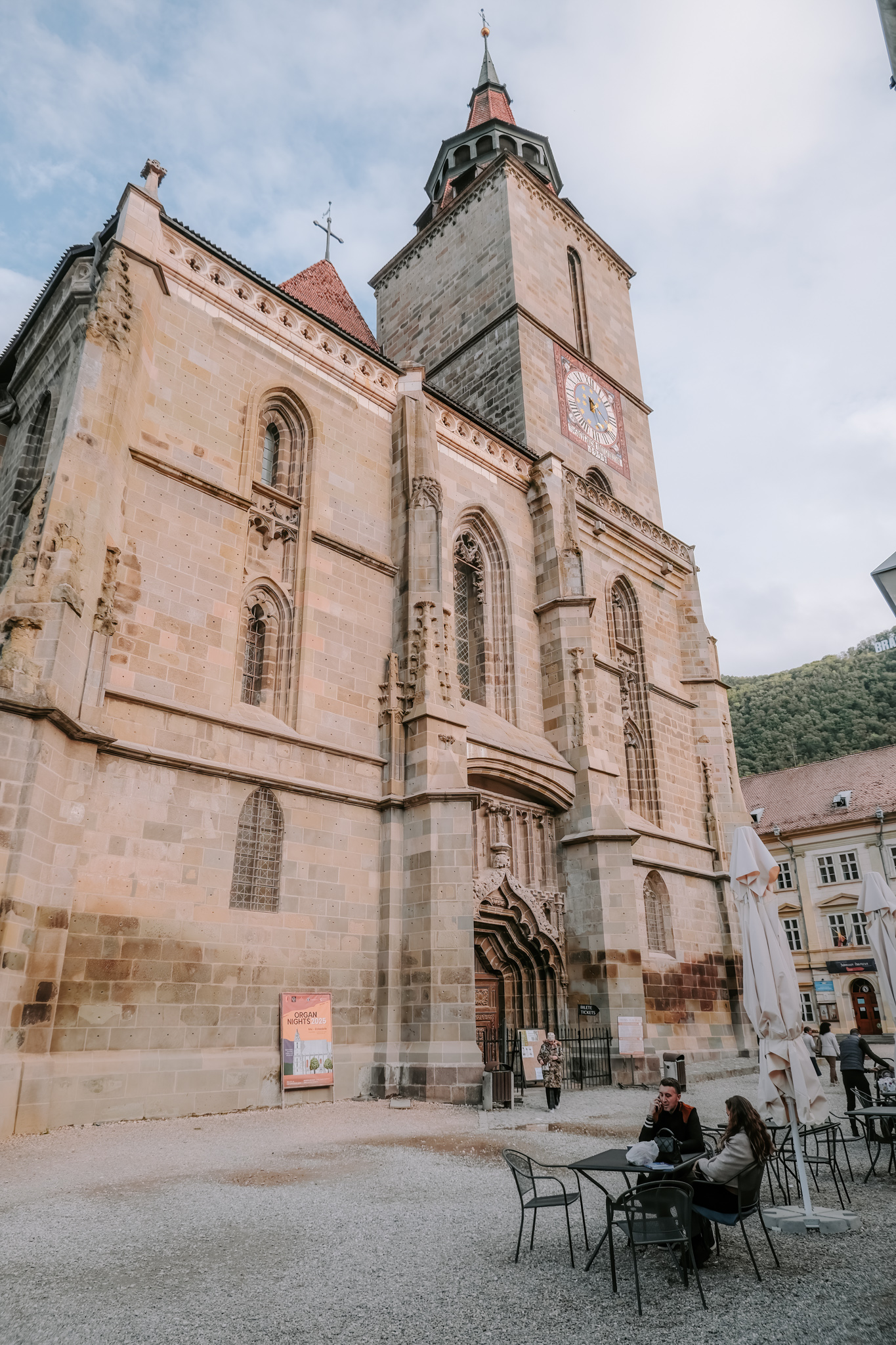
Brașov’s Council Square is surrounded by colorful, historic buildings, including the Black Church, a massive Gothic-style cathedral that dominates the skyline. The church earned its name after a fire in the 17th century blackened its walls. Inside, you can admire an impressive collection of medieval Saxon artifacts and a grand organ that still hosts concerts today.
Another standout feature of Brașov is the Catherine’s Gate, the only remaining medieval gate from the city’s fortifications, and the Rope Street, one of the narrowest streets in Europe. It’s easy to imagine life in medieval Romania while wandering the cobbled streets and passing through these centuries-old gates.
Brașov is a gateway to some of Romania’s most stunning natural beauty. The Carpathian Mountains are just a stone’s throw away, offering endless hiking and skiing opportunities. We spent an afternoon hiking to the Tâmpa Mountain, where a scenic viewpoint offers panoramic views of the city below and the mountain peaks above.
A Journey to Remember
Our two-week holiday through Romania left us with memories of breathtaking landscapes, fascinating history, and mouthwatering food. From the bustling streets of Iași to the medieval charm of Brașov and the peaceful rural beauty of Sfântu Gheorghe, Romania’s hidden gems offer something for every traveler. Whether you’re a history buff, a nature enthusiast, or a foodie, Romania’s rich cultural heritage and stunning landscapes will leave you wanting to return again and again.
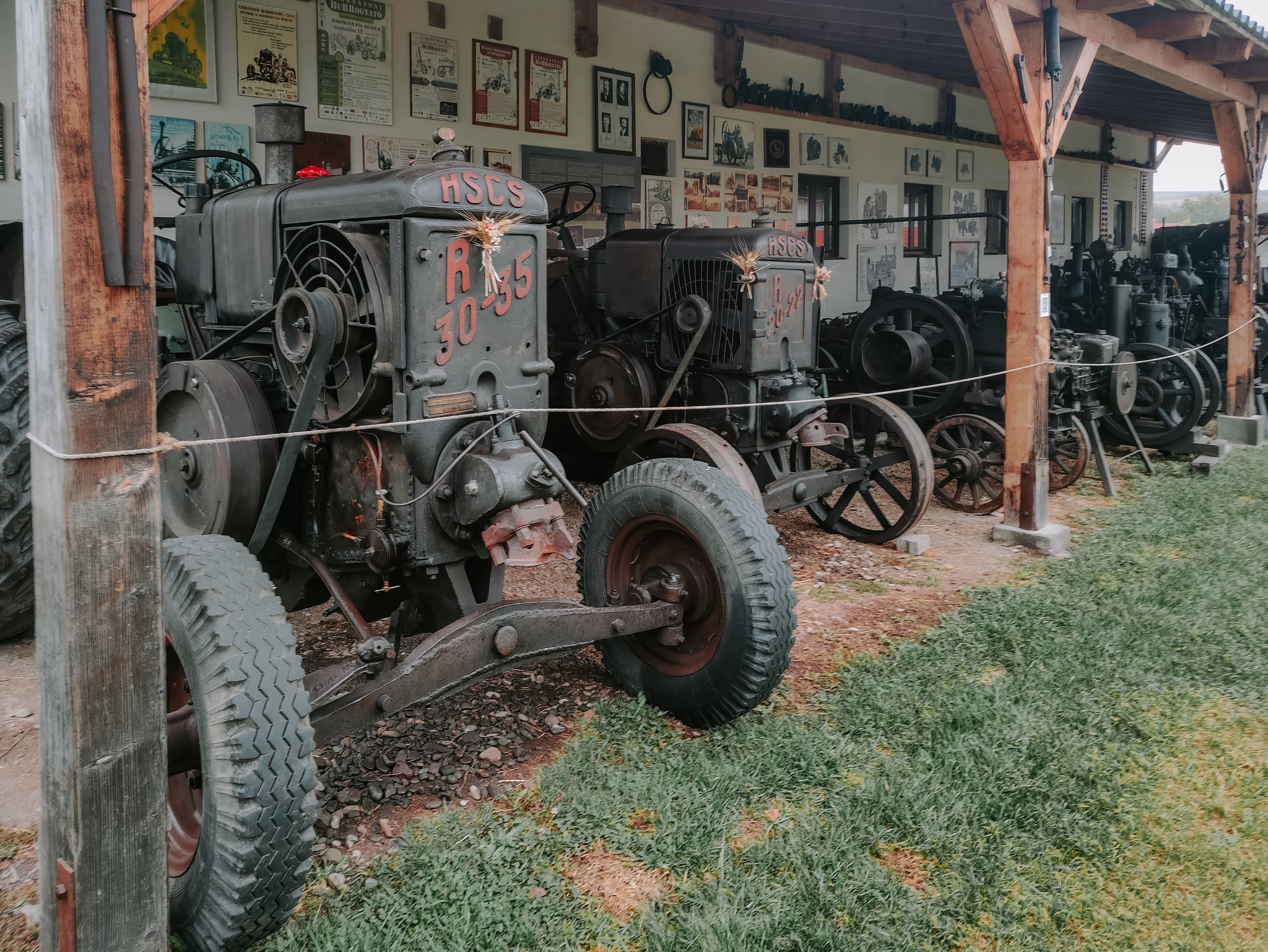
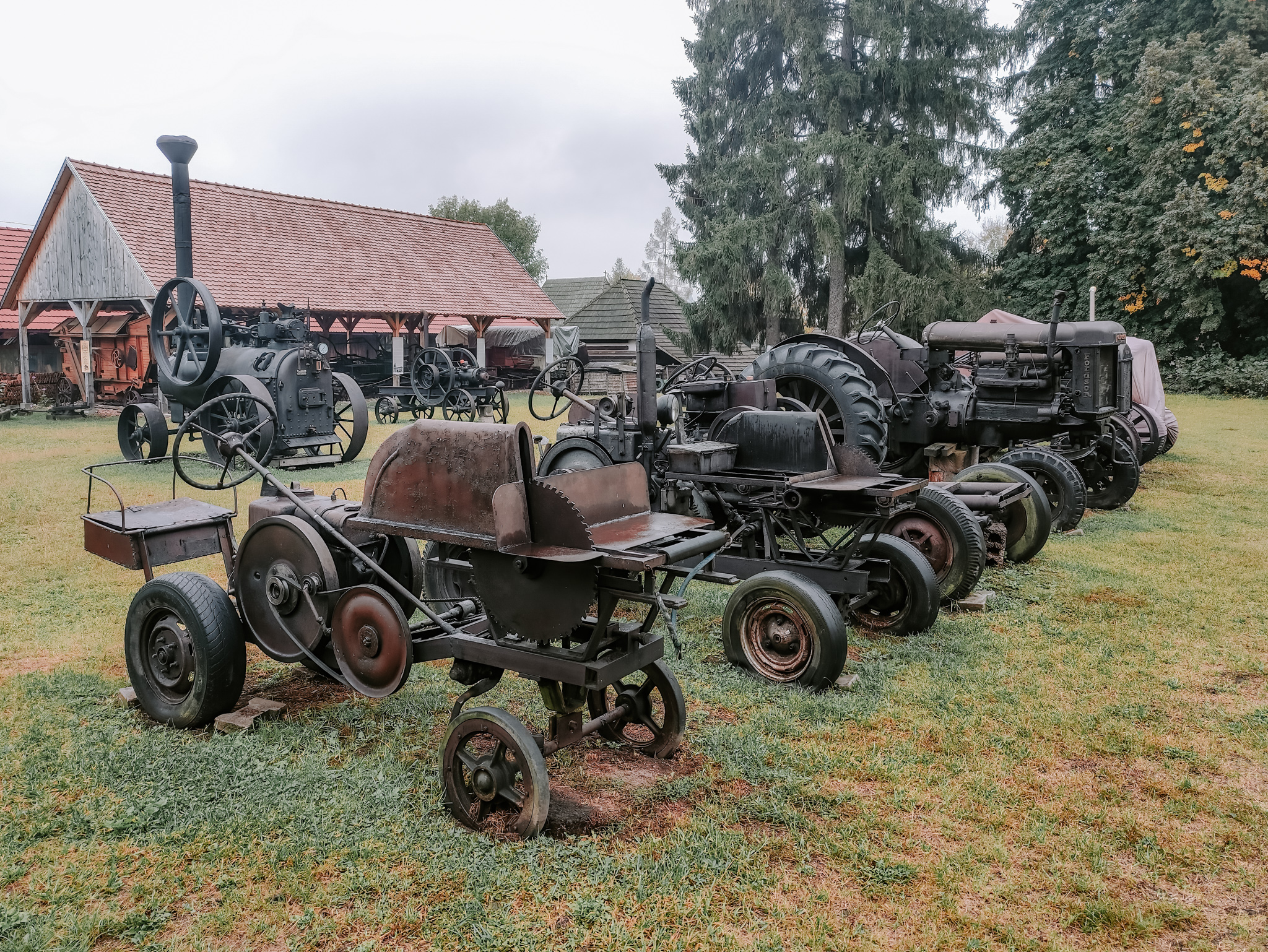
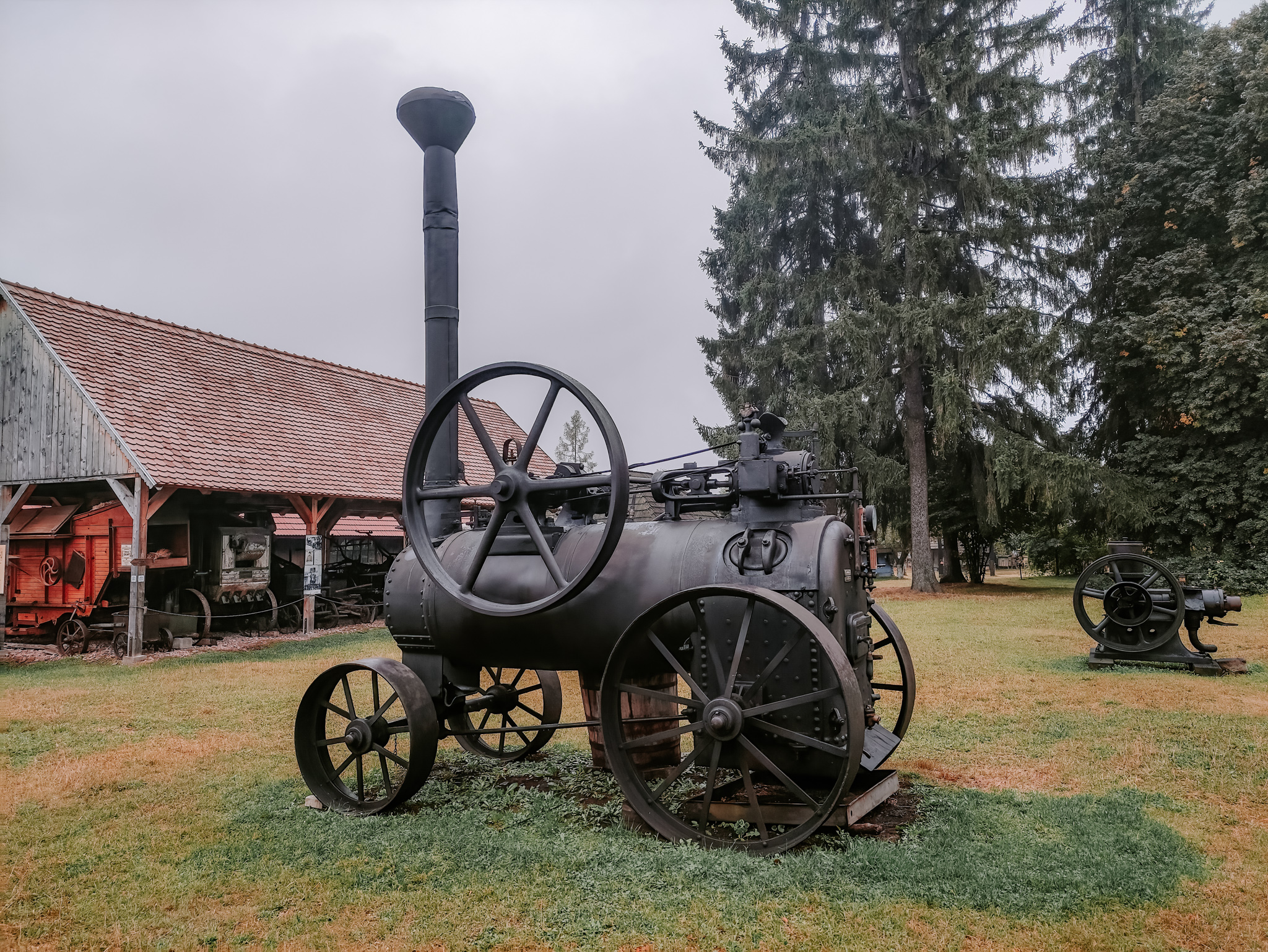
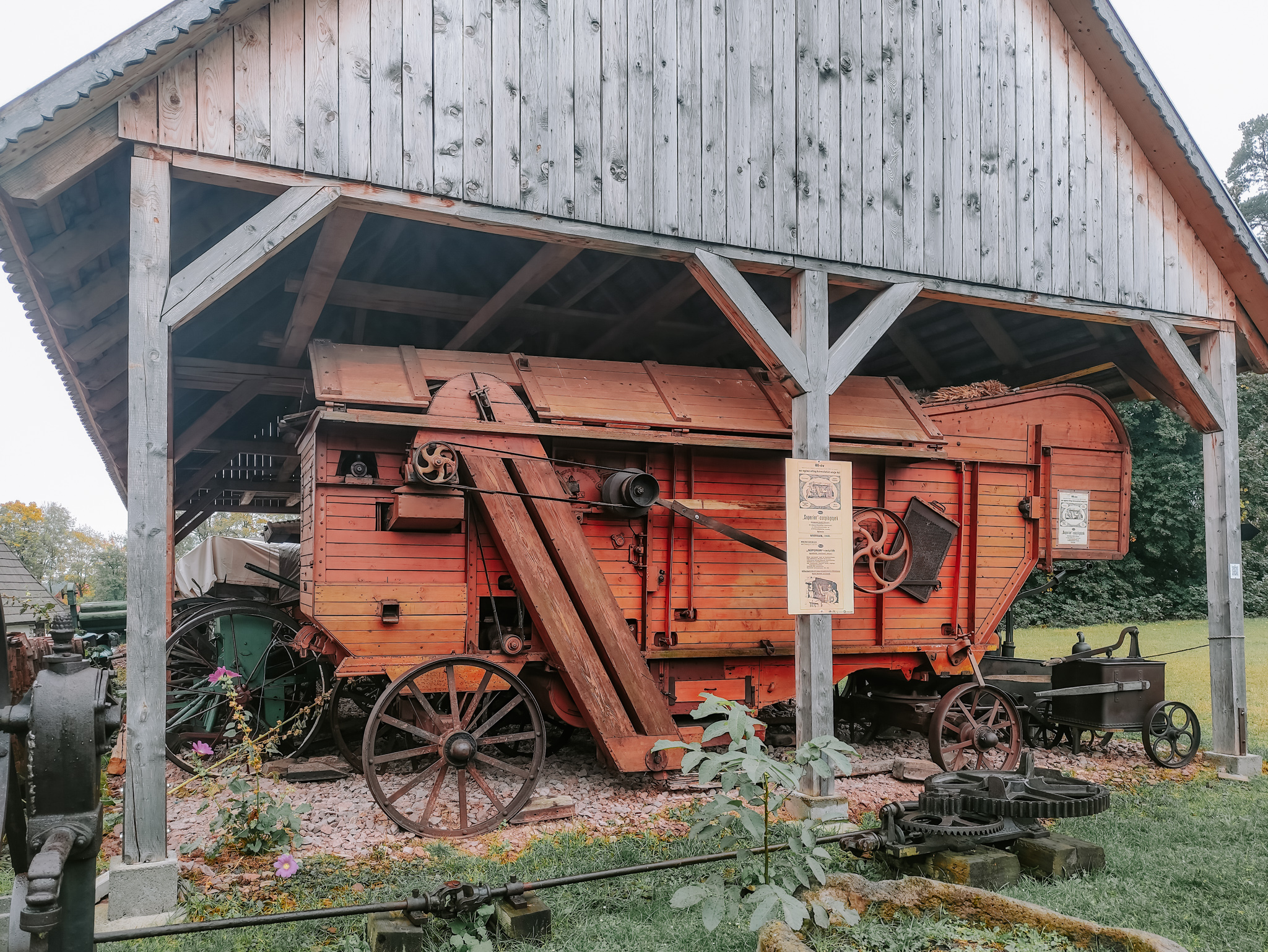
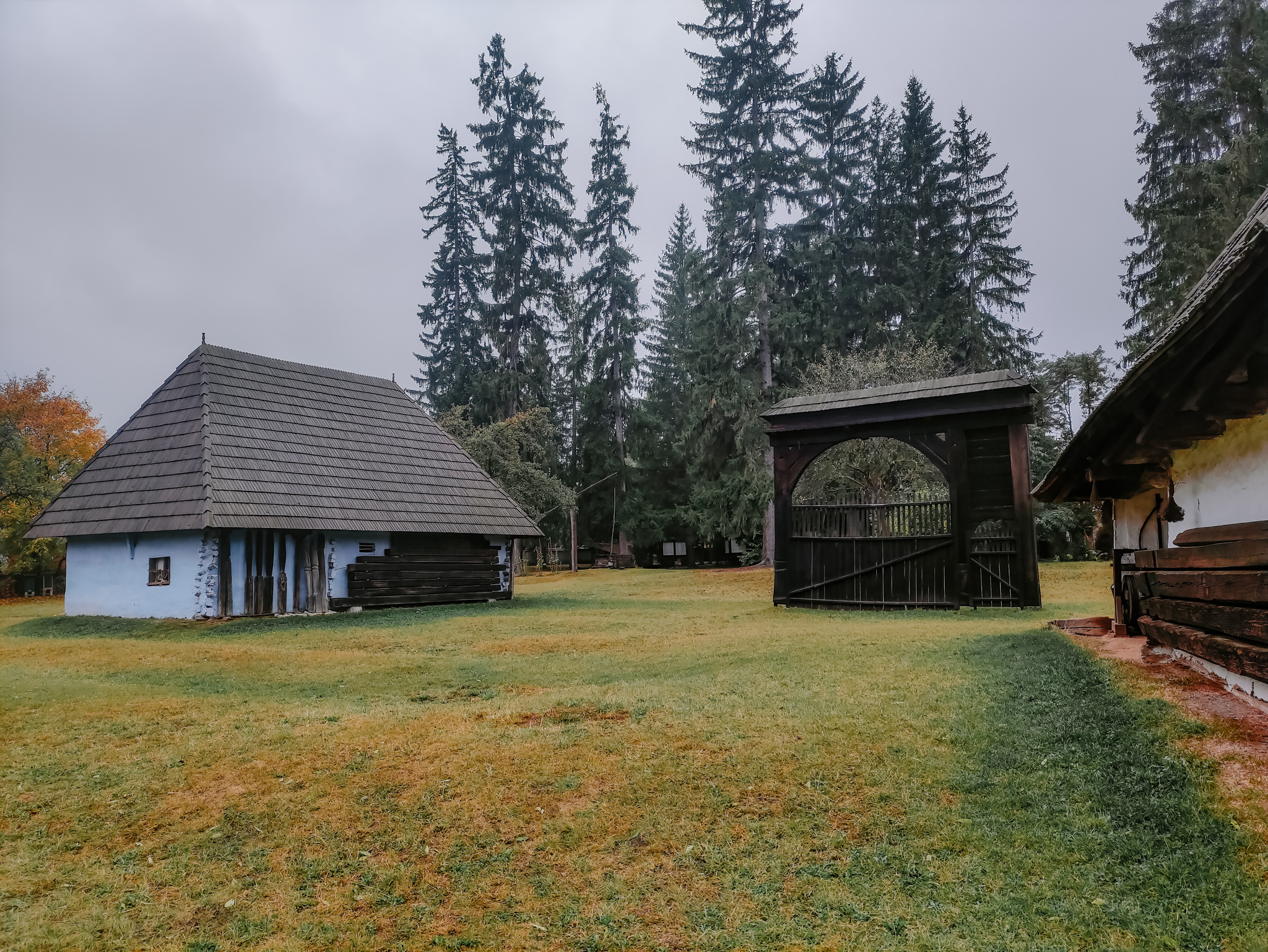
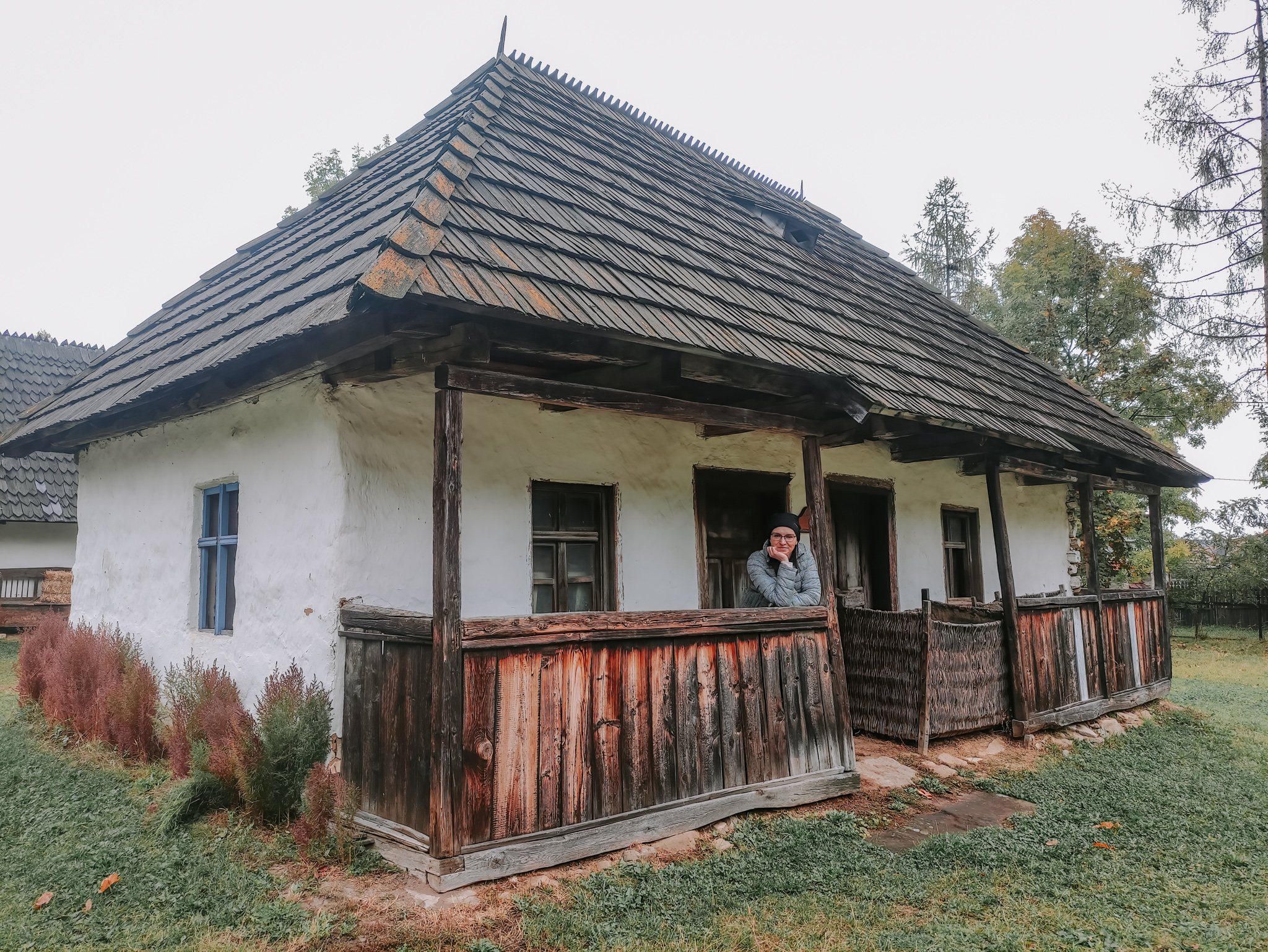
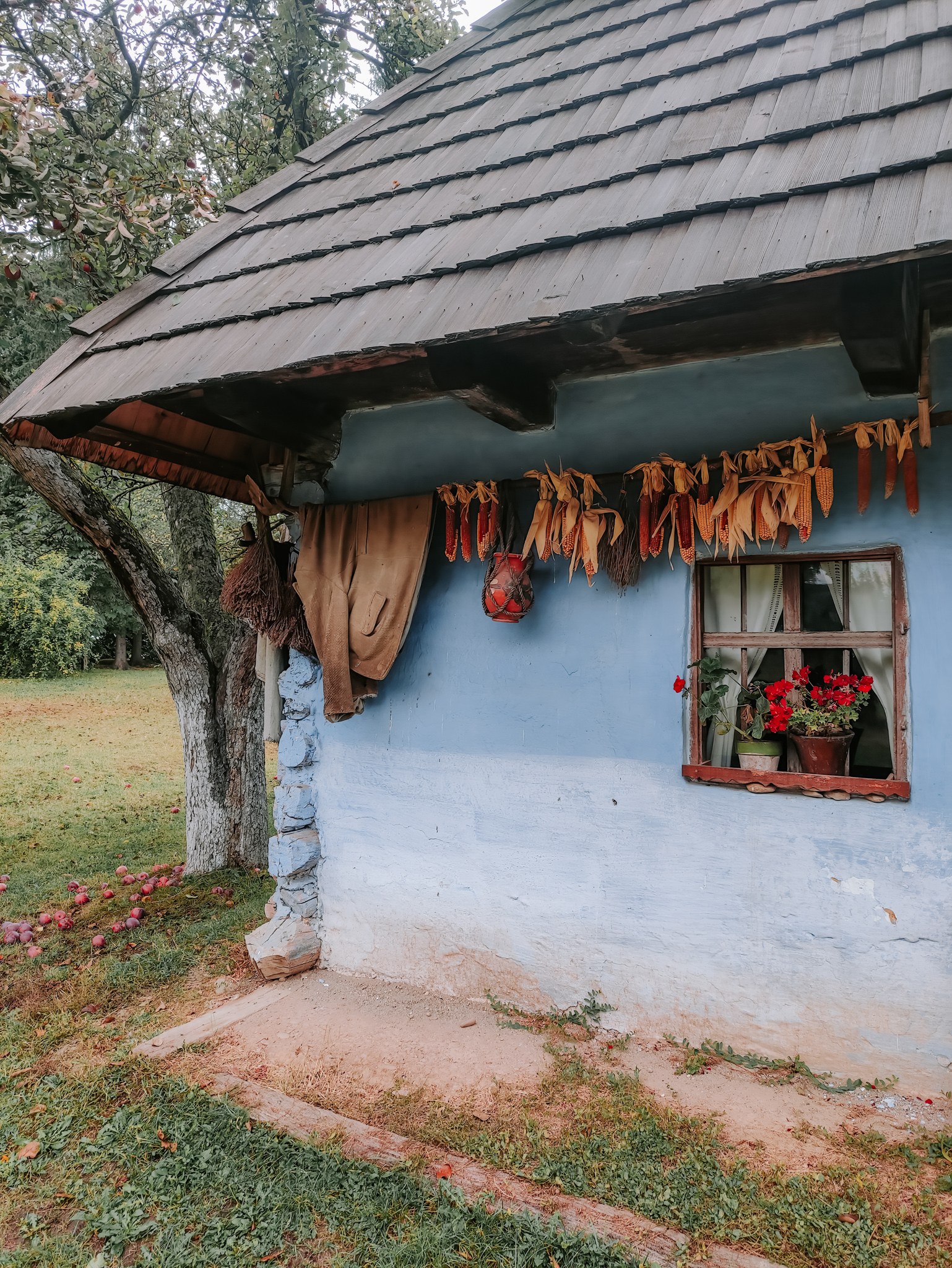
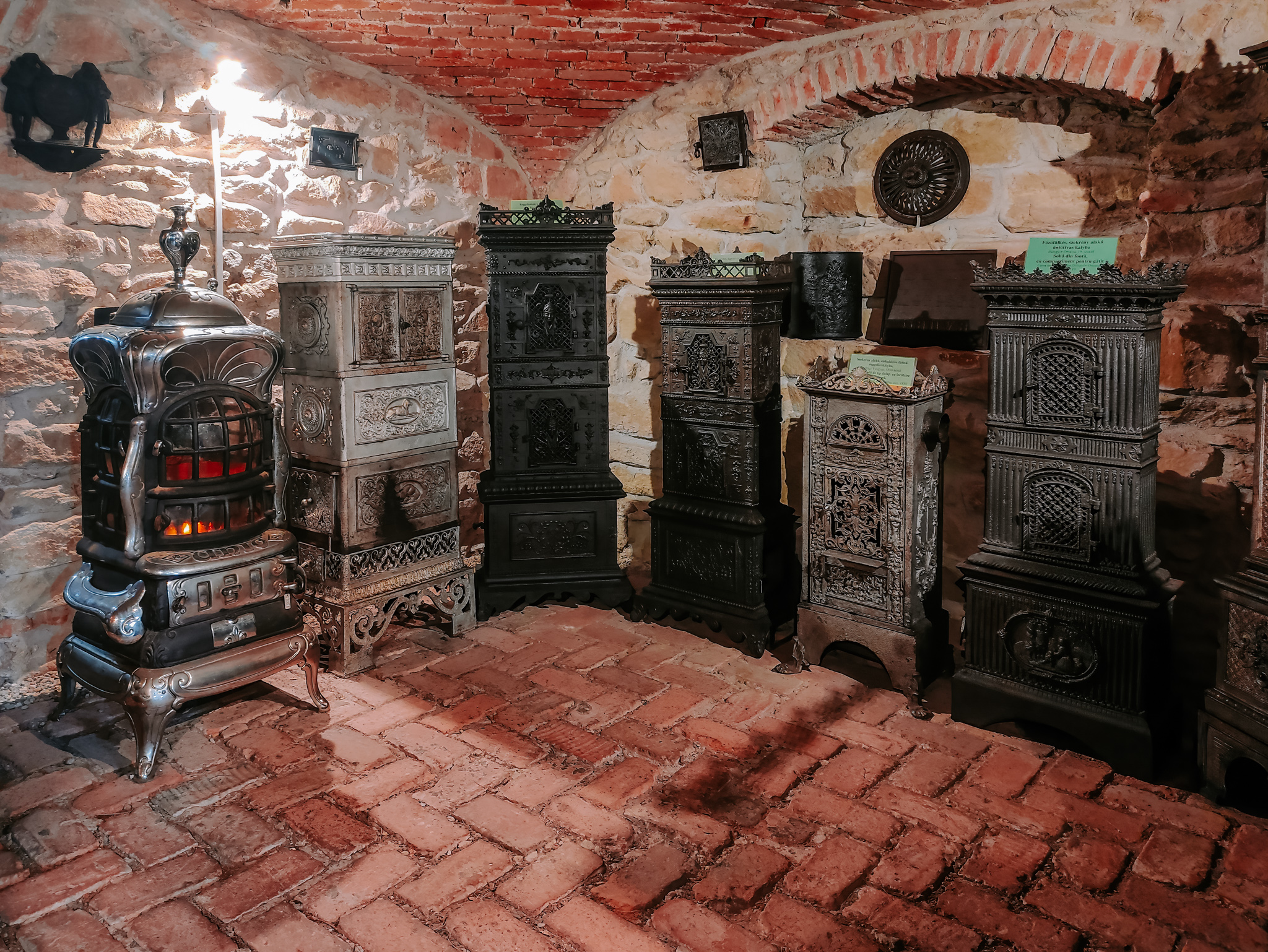
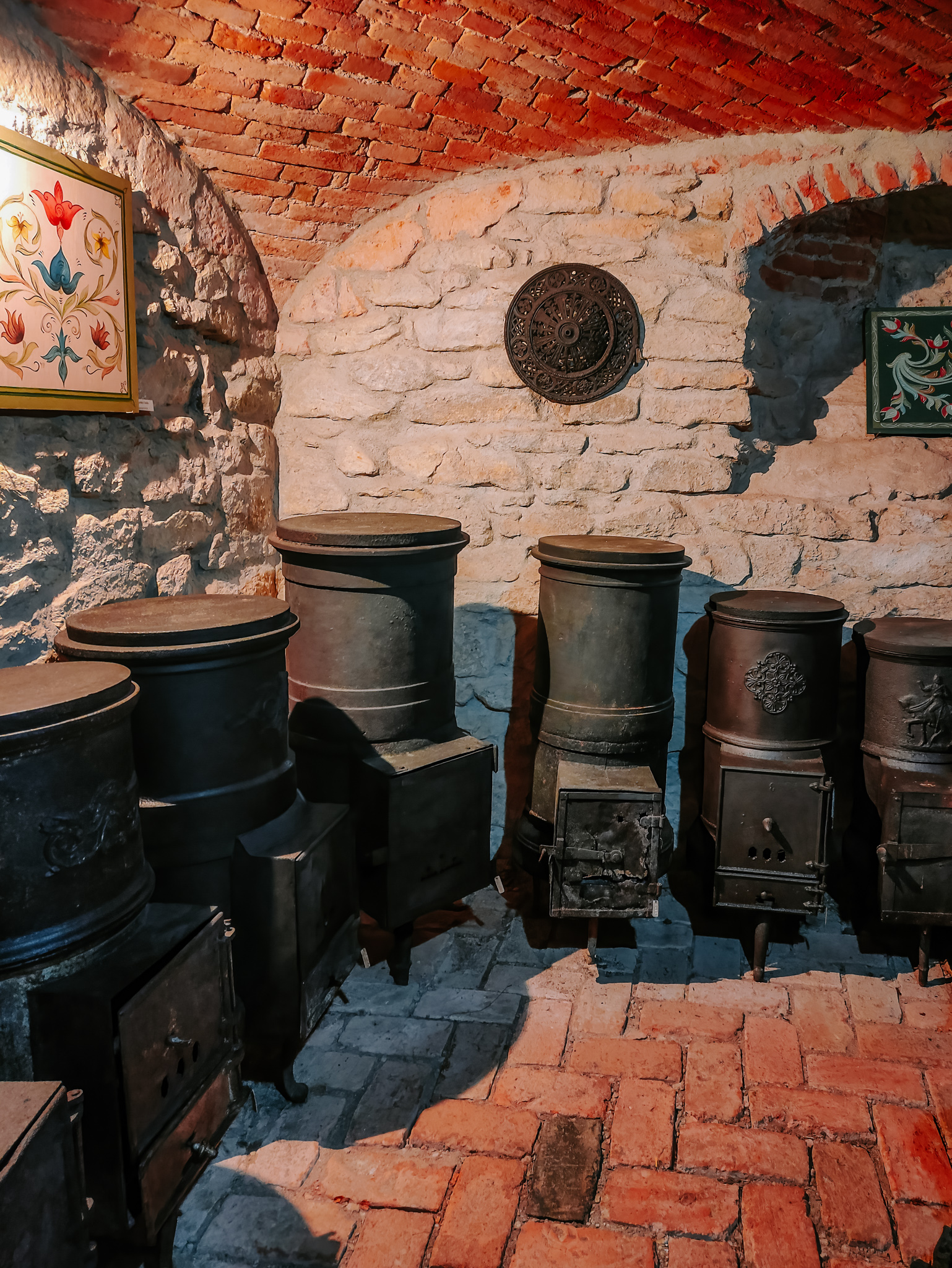
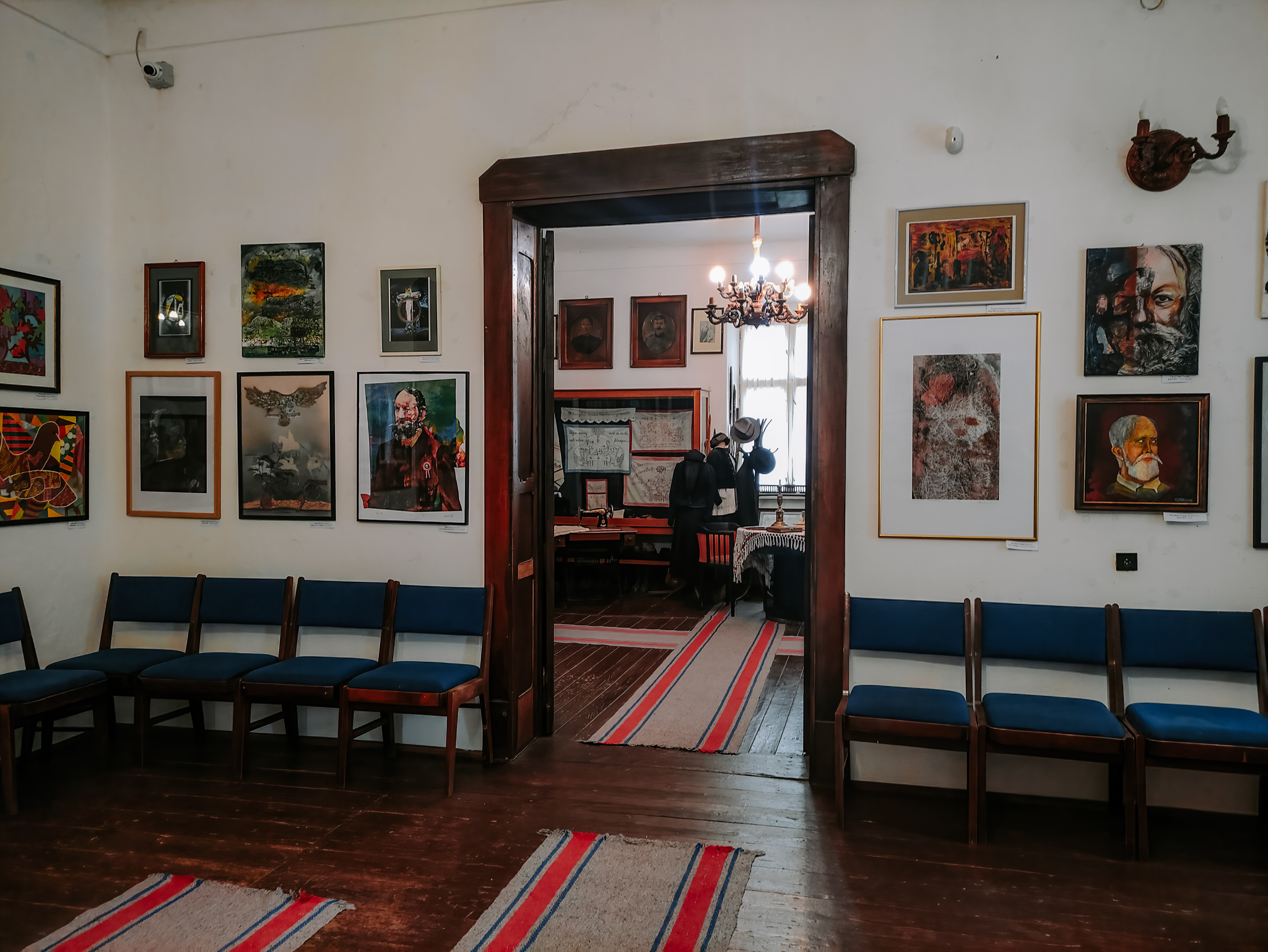
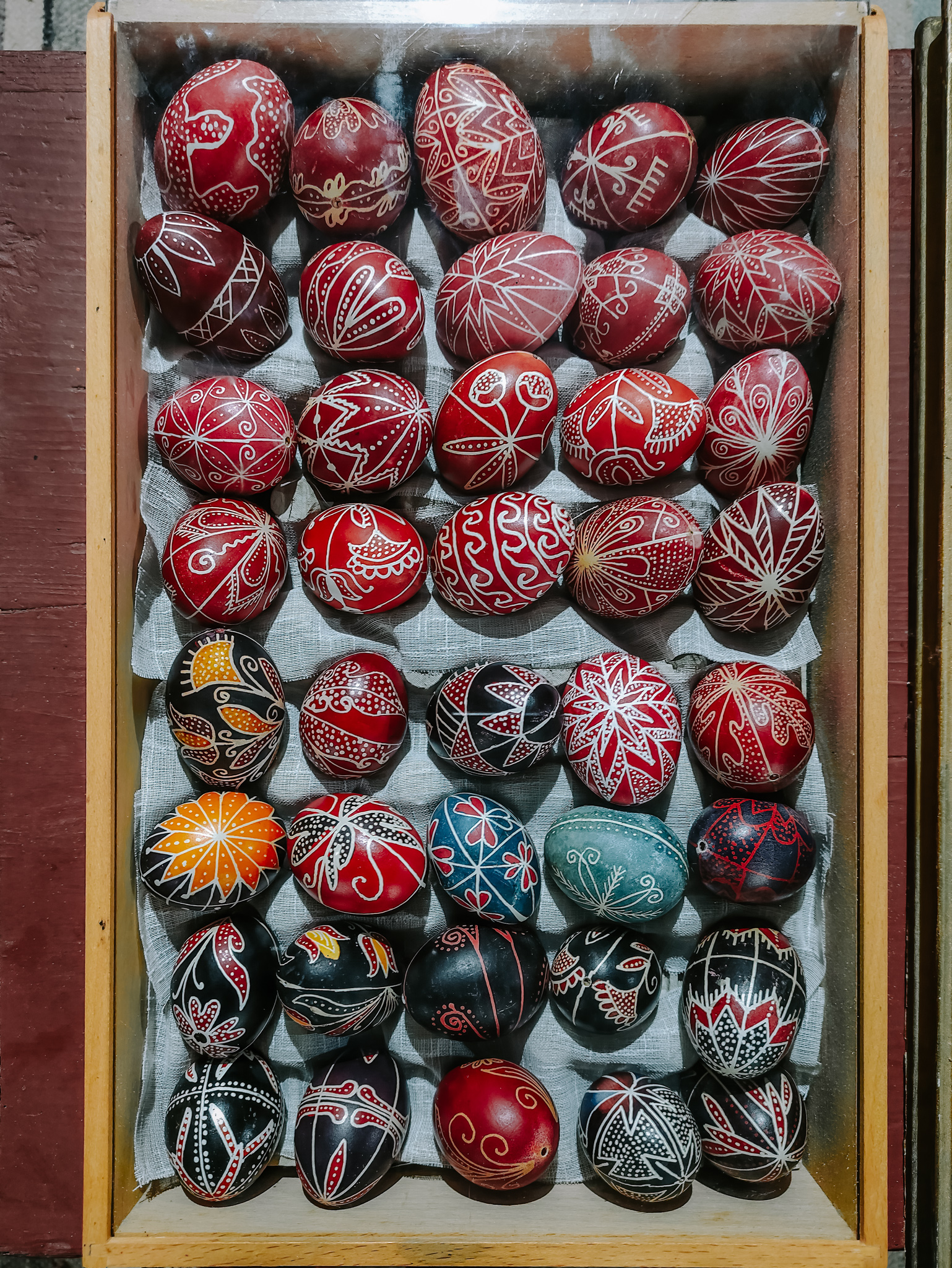
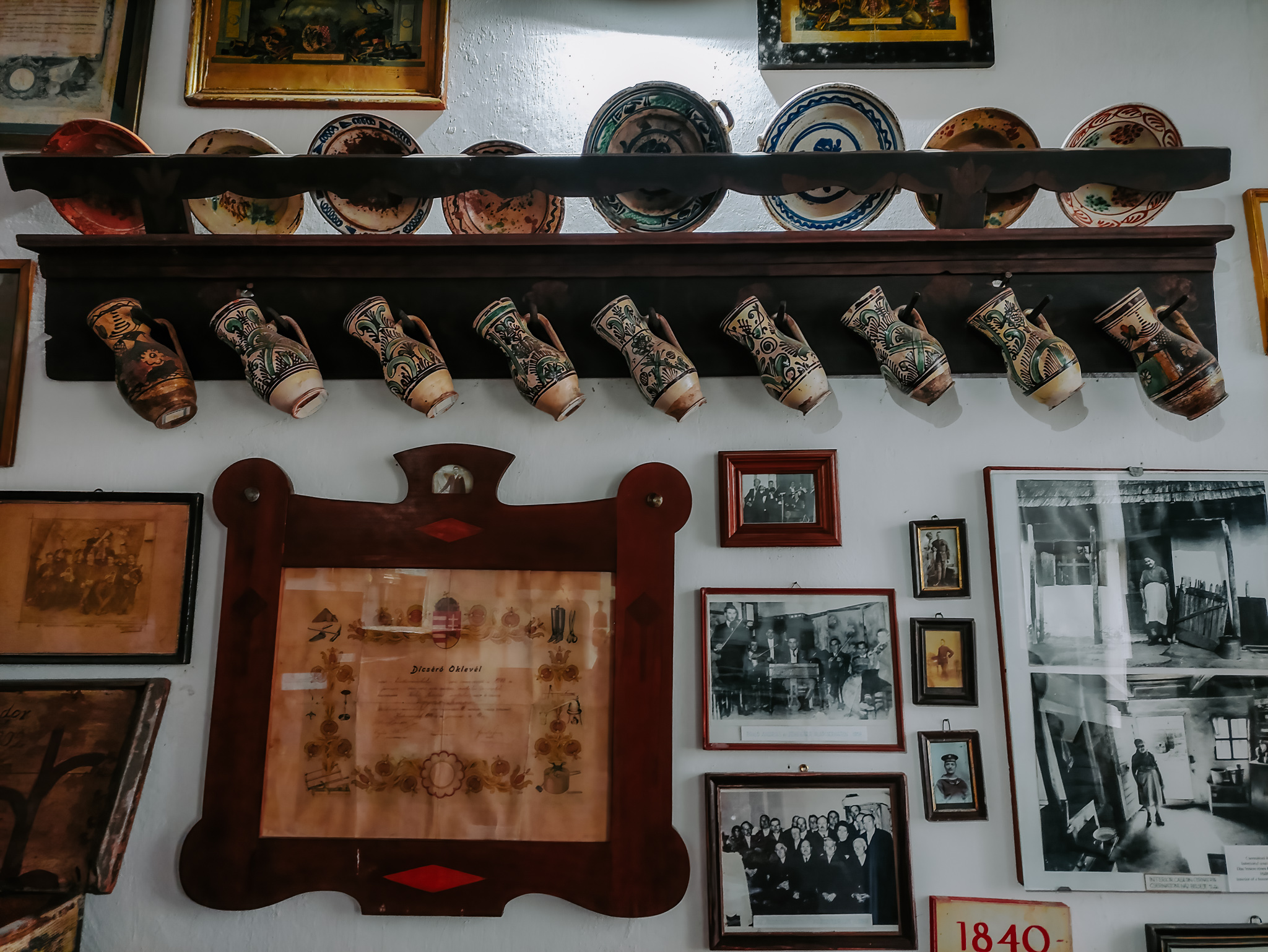
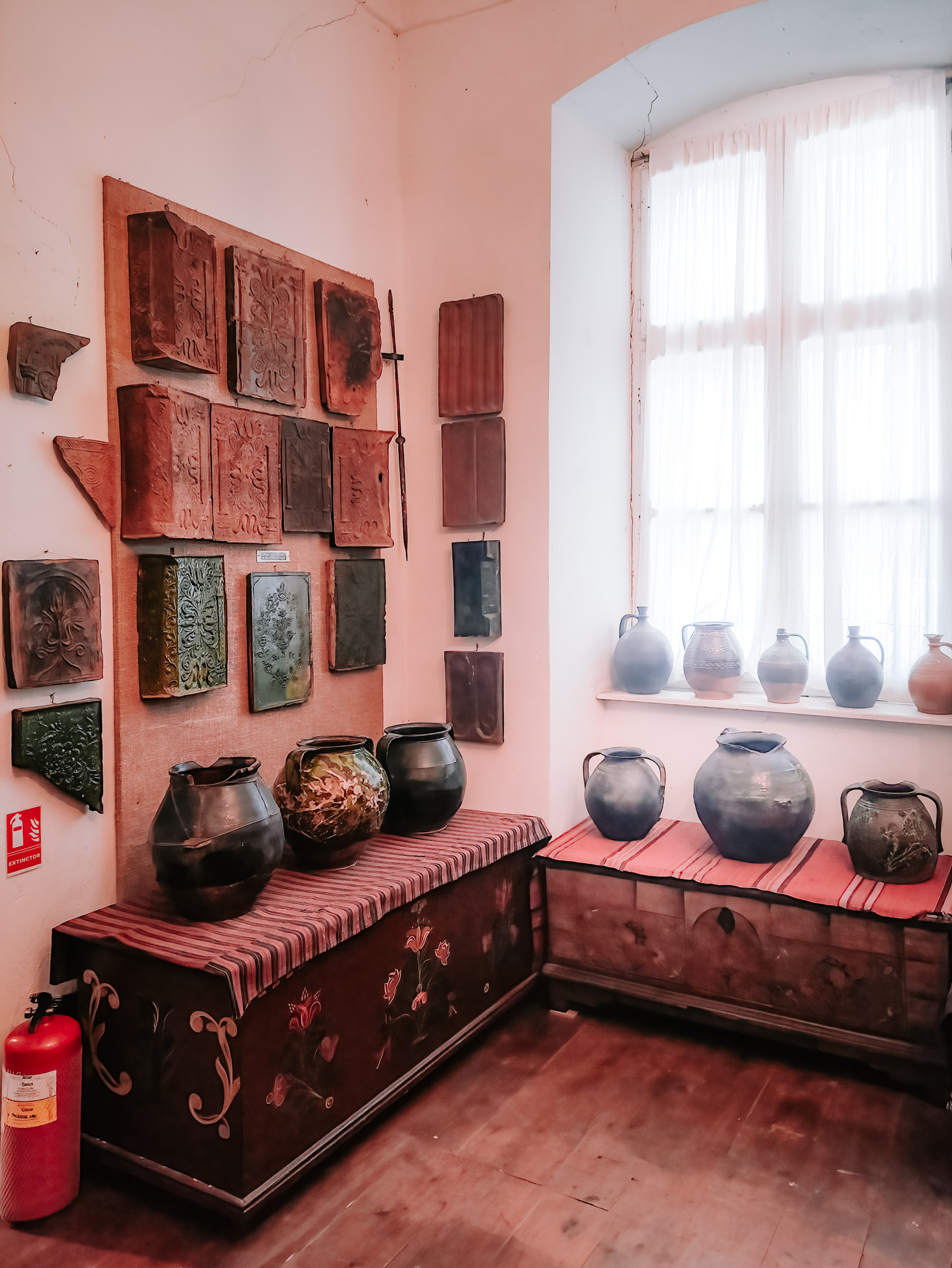
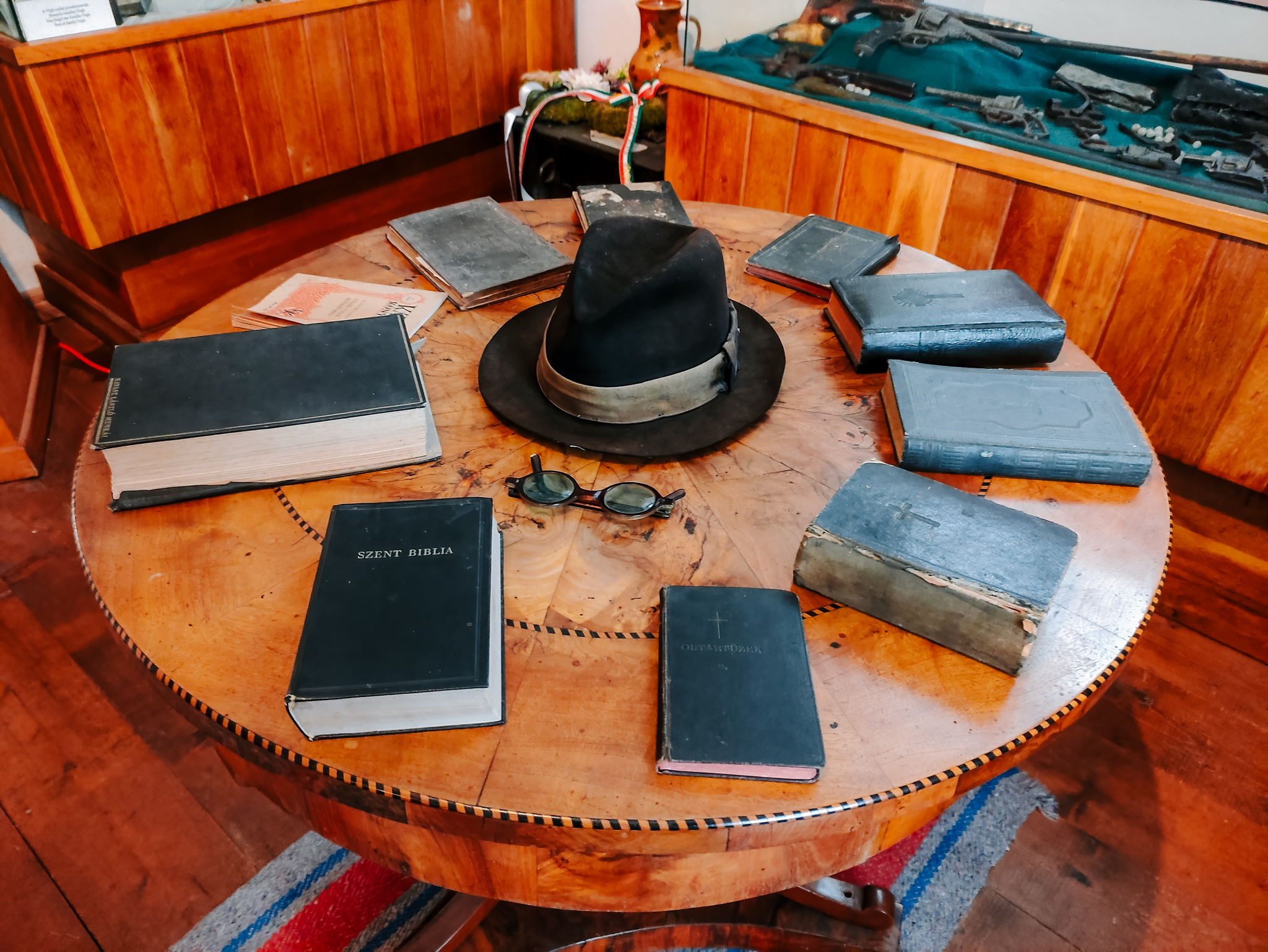
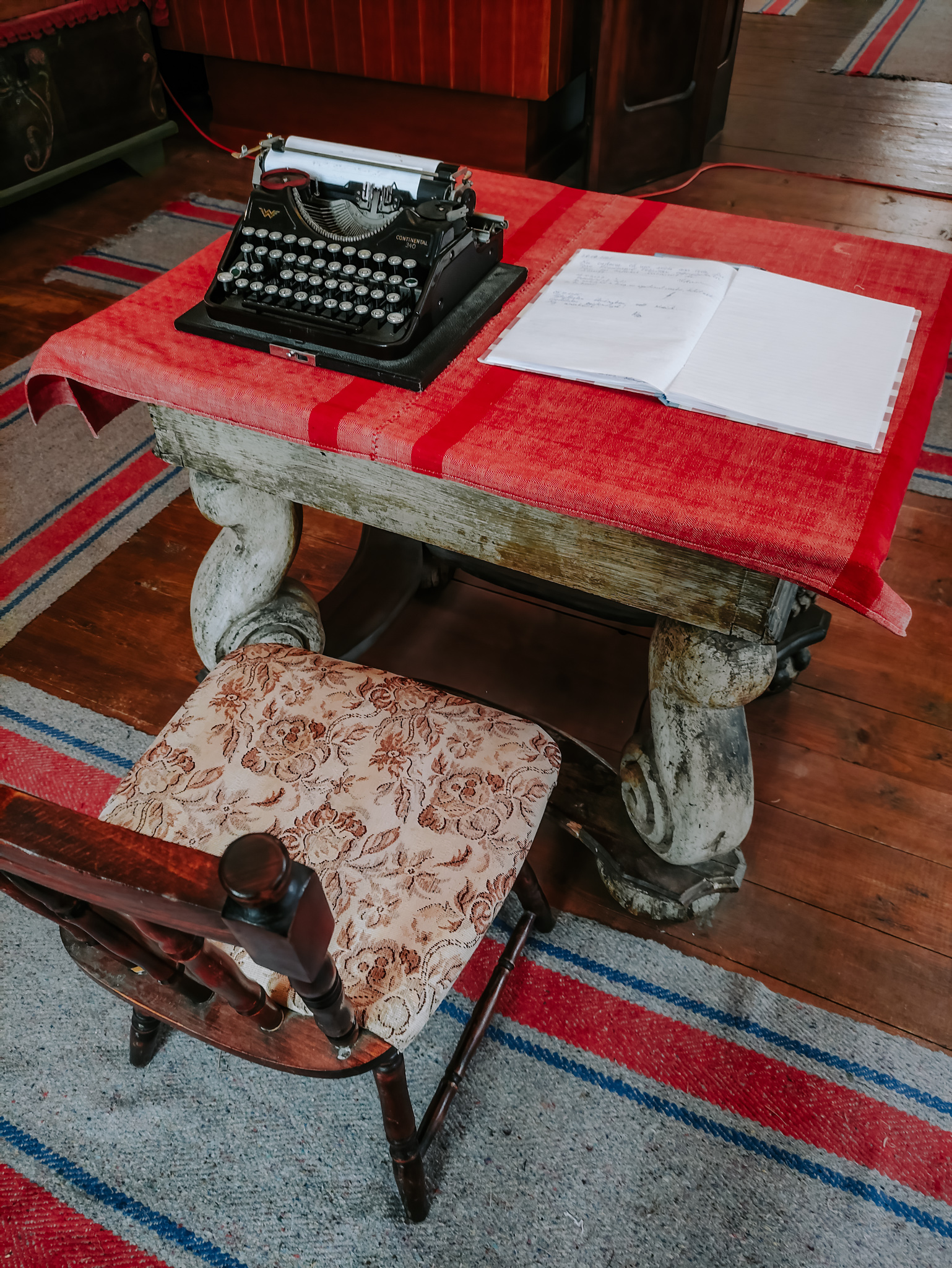
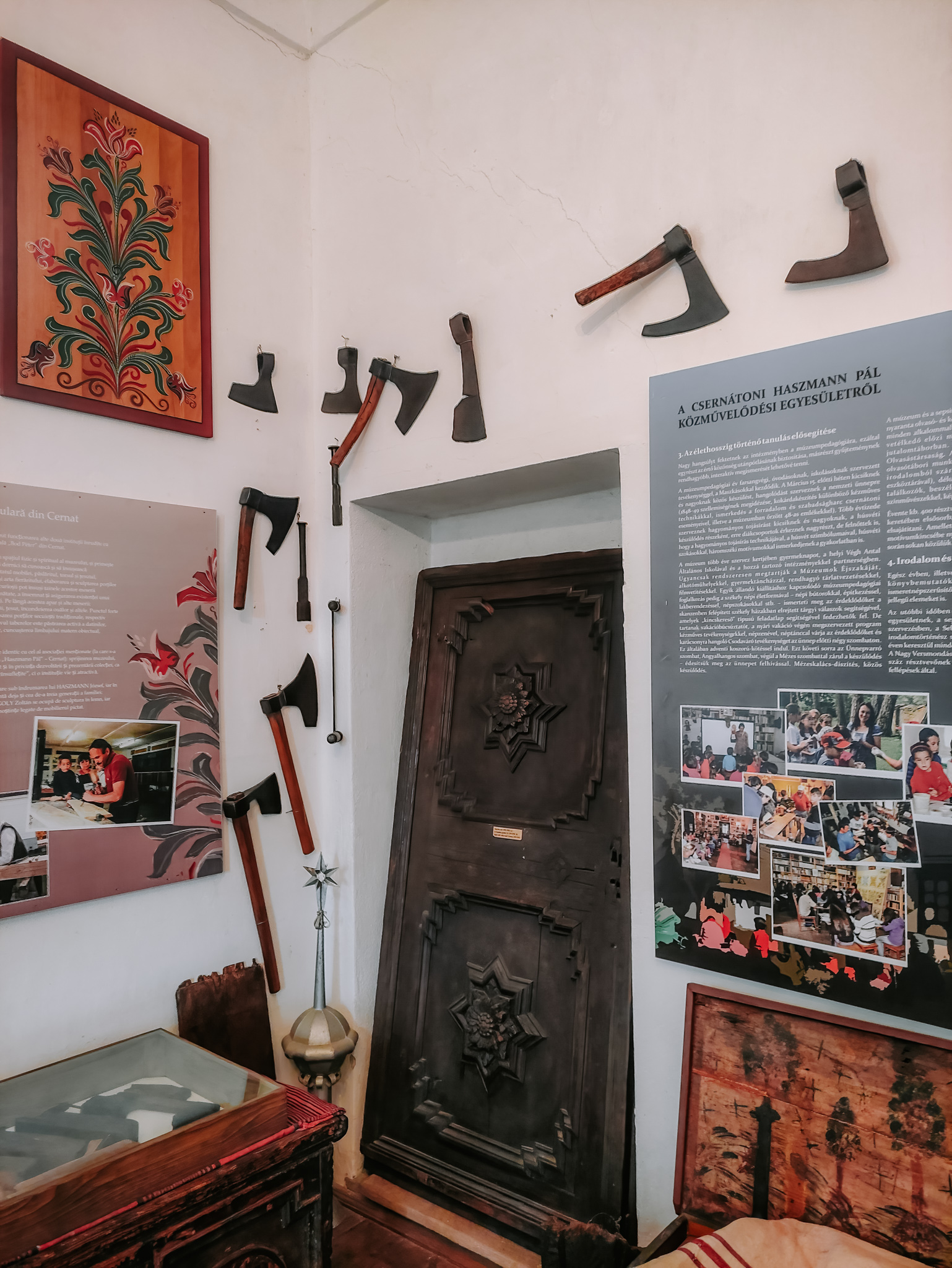
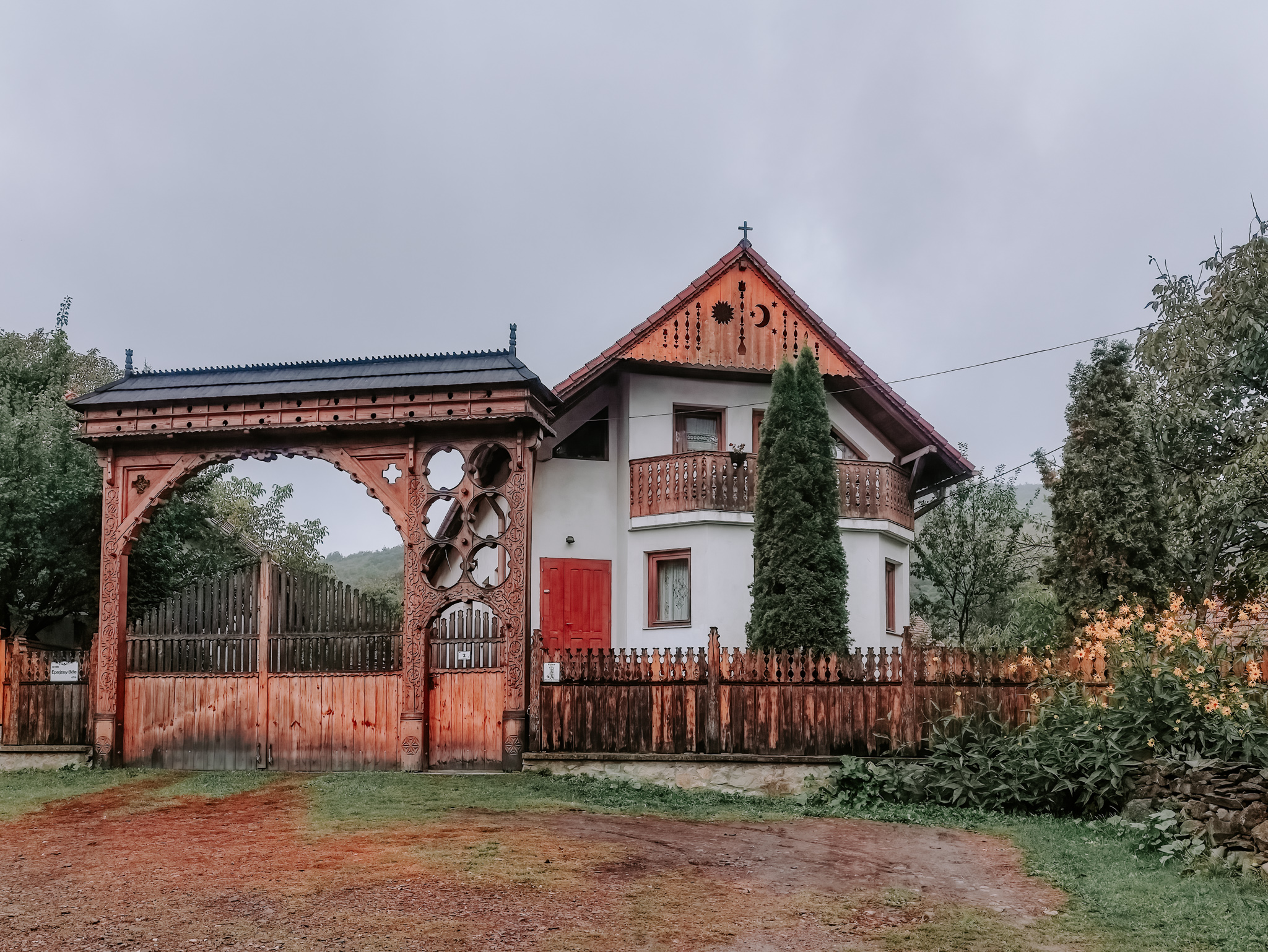
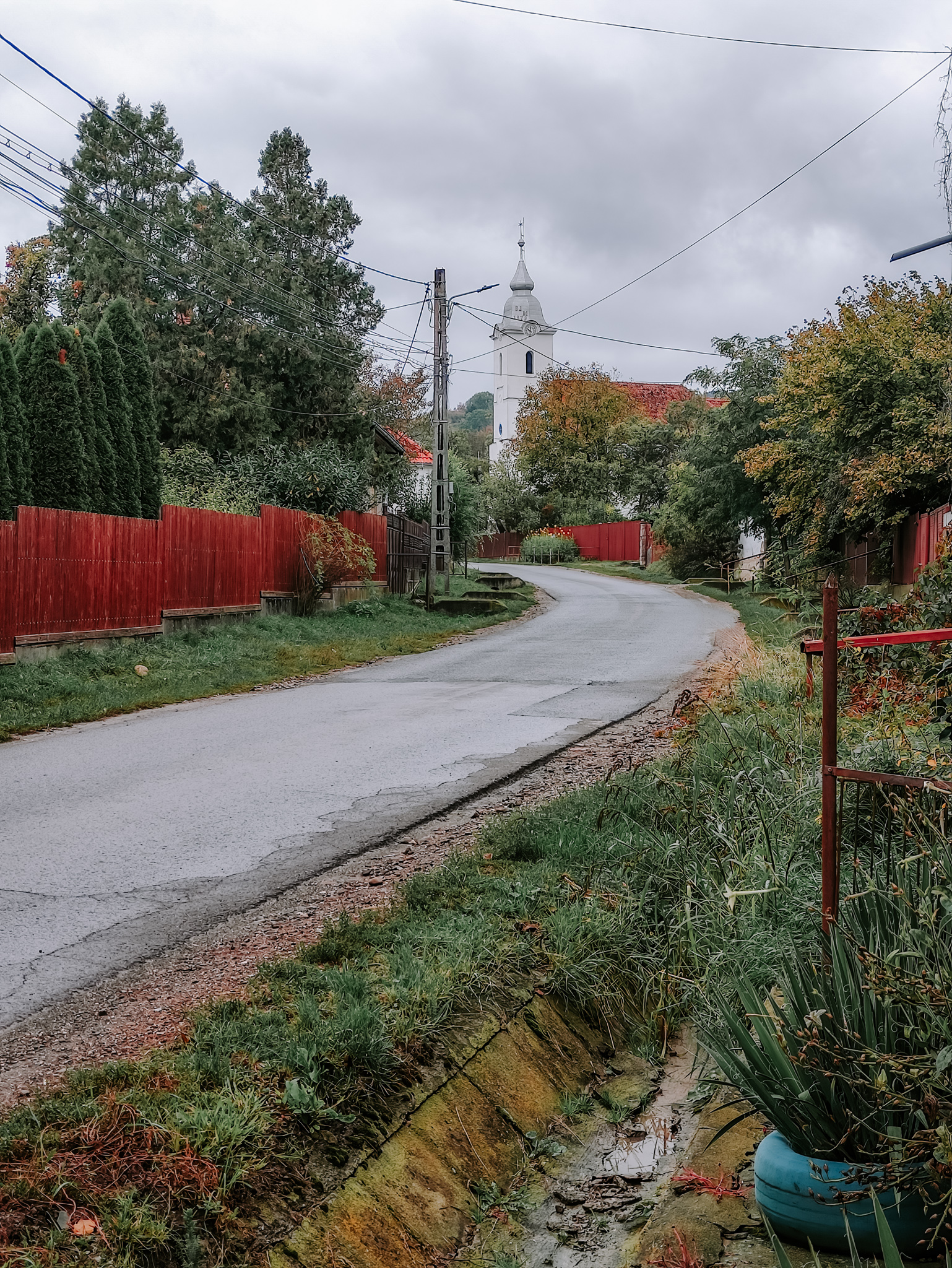
On our journey through the heart of Romania, one of the most unexpected yet fascinating stops was a visit to The Haszmann Pál Museum in the picturesque village of Csernaton. Tucked away in the Transylvanian countryside, this museum offers a unique glimpse into the region’s history, culture, and local traditions. It’s a place where the past and present seamlessly come together, preserving the essence of a time long gone.
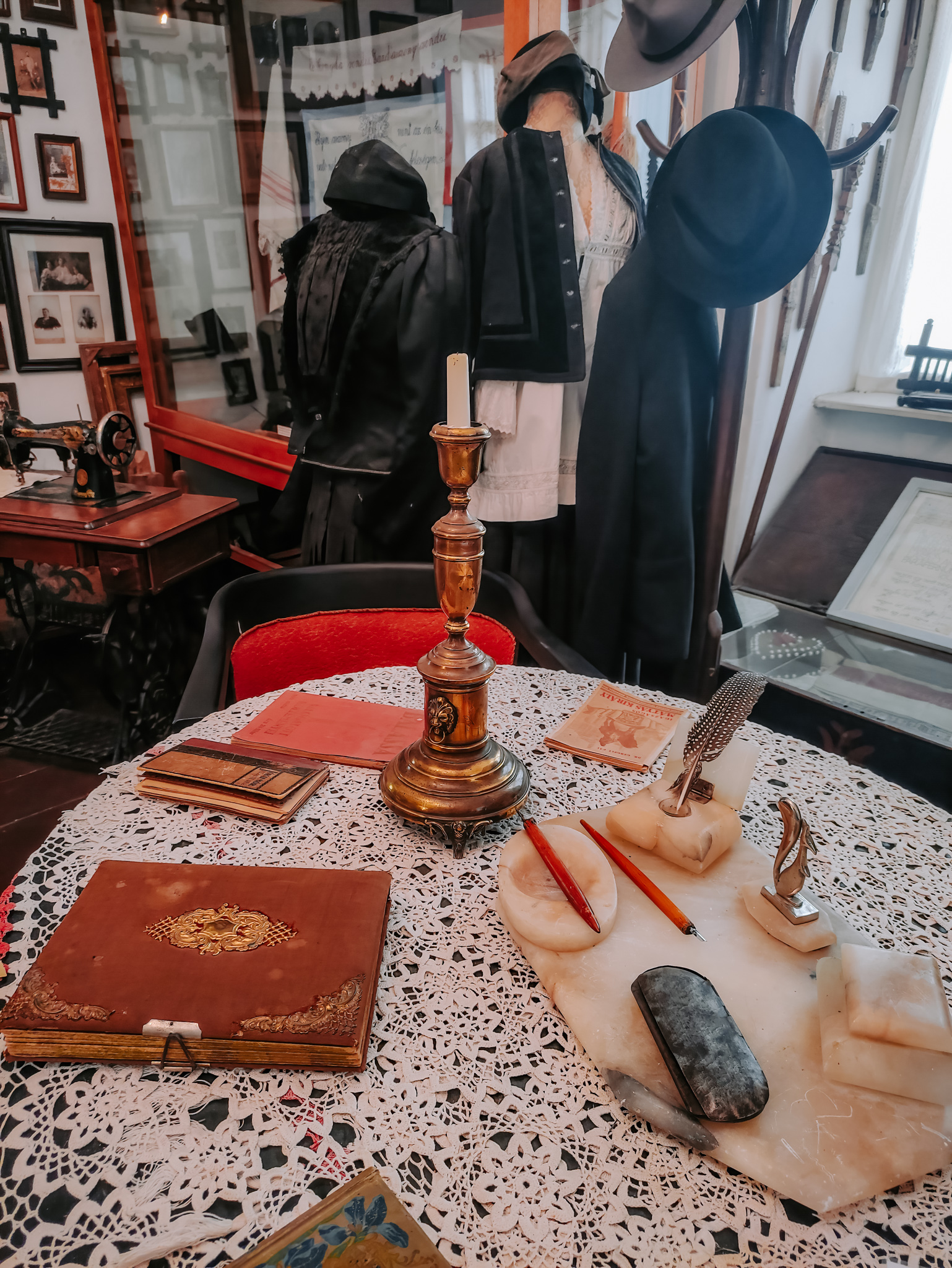
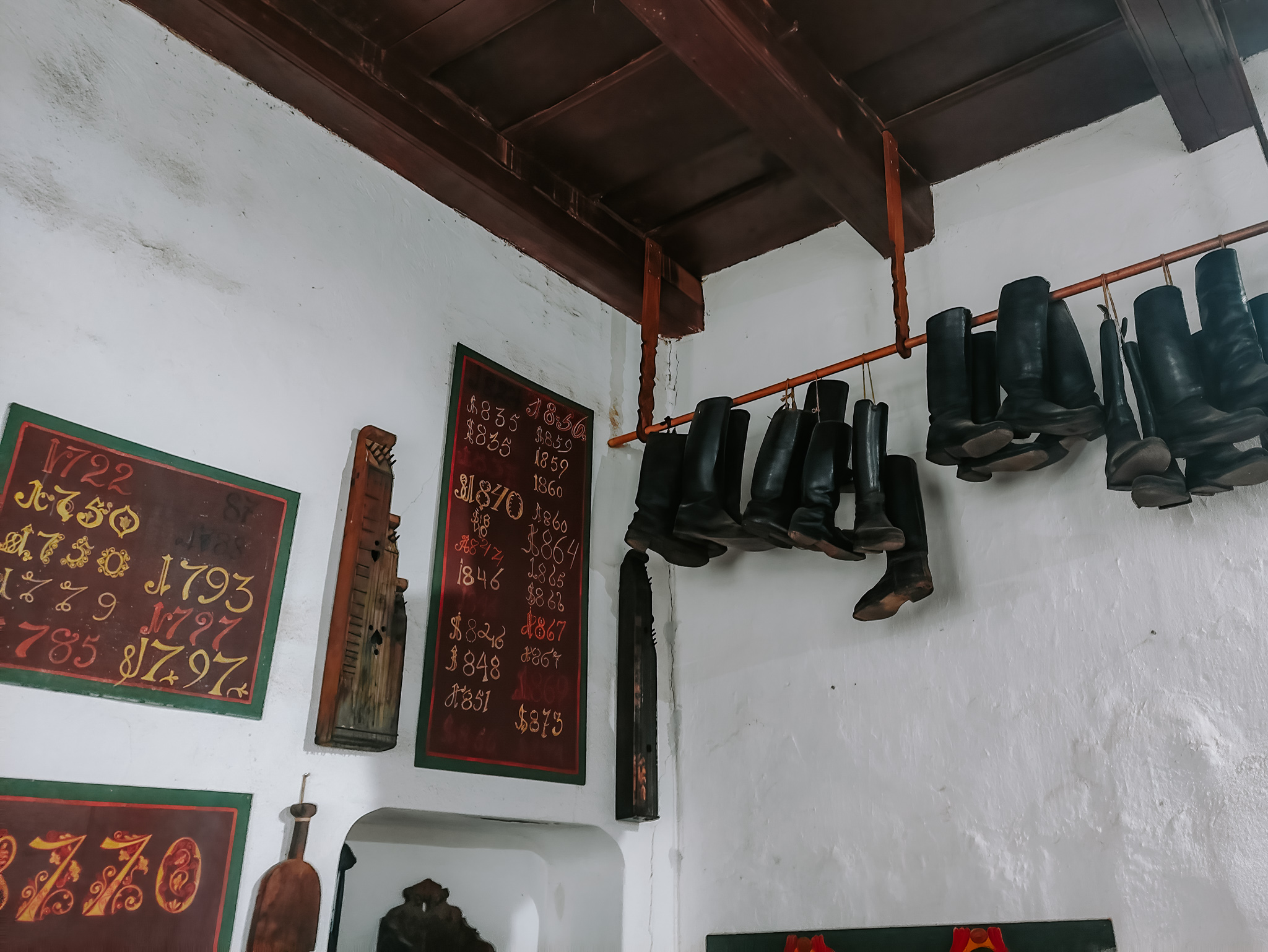
One of the first things visitors encounter upon entering the museum is the impressive collection of historical artifacts, many of which date back to the 18th and 19th centuries. You’ll find everything from old furniture and traditional Szekler clothing to family portraits of the Haszmann family and documents that detail the family’s role in the region’s development.
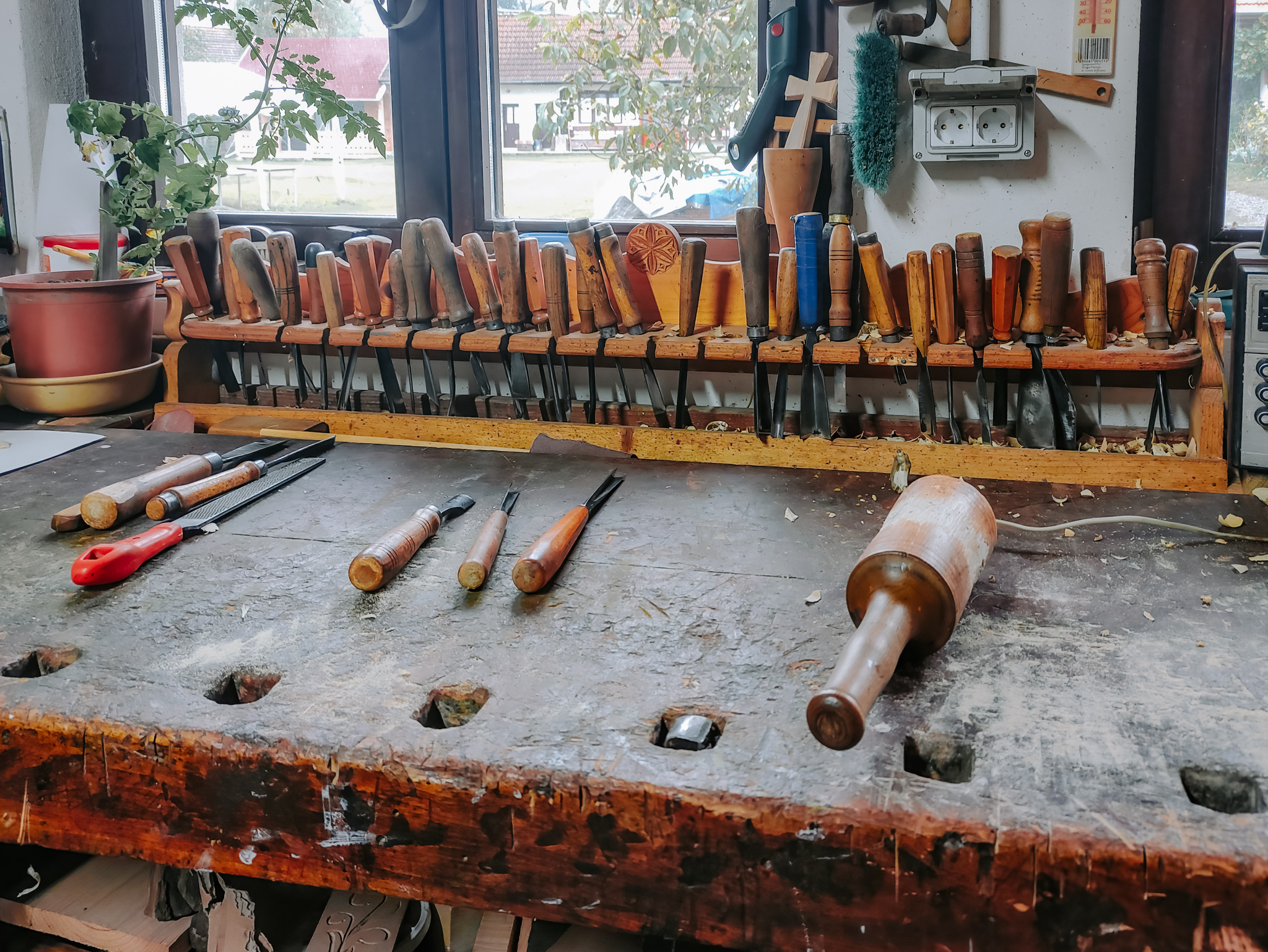
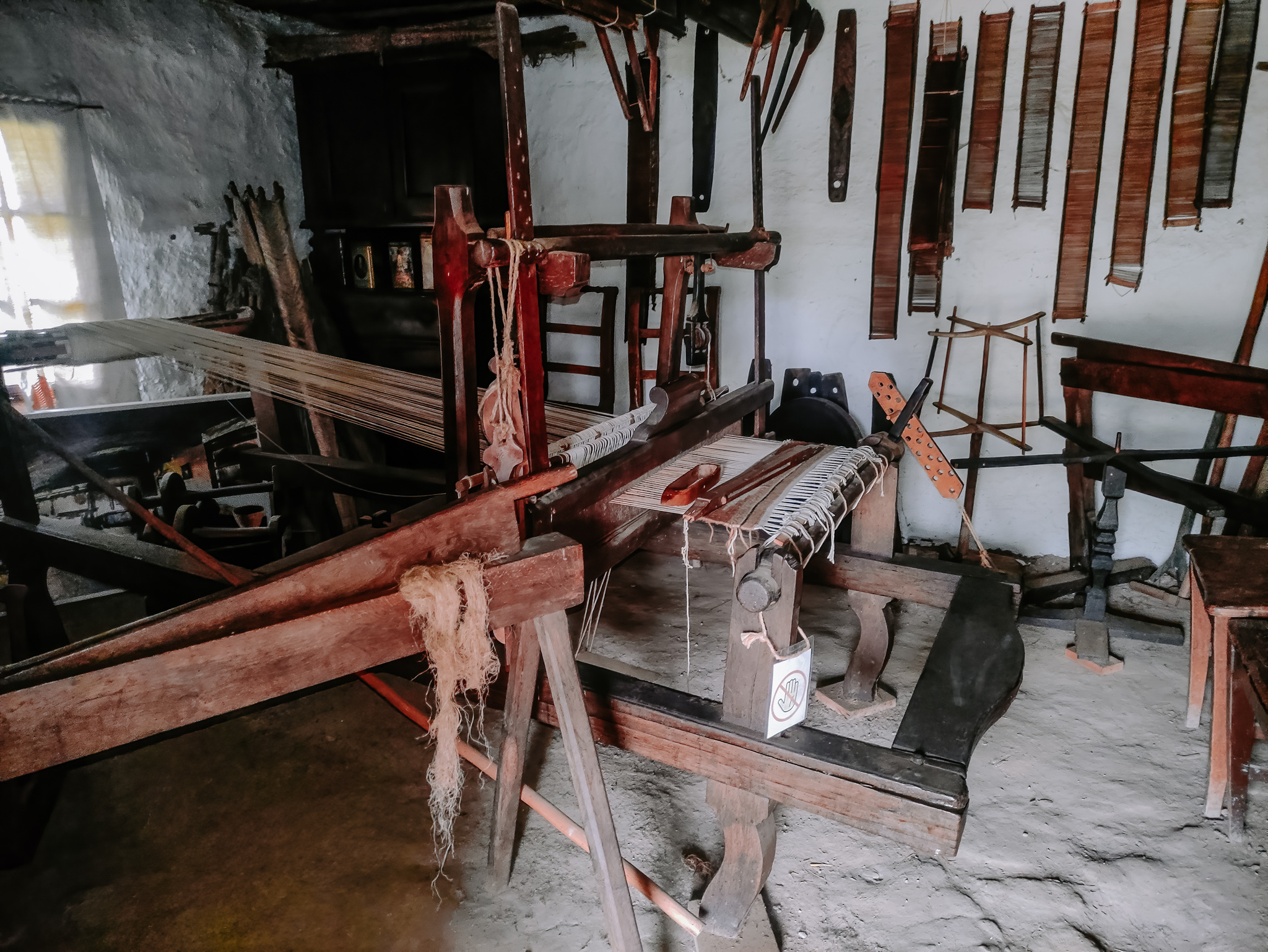
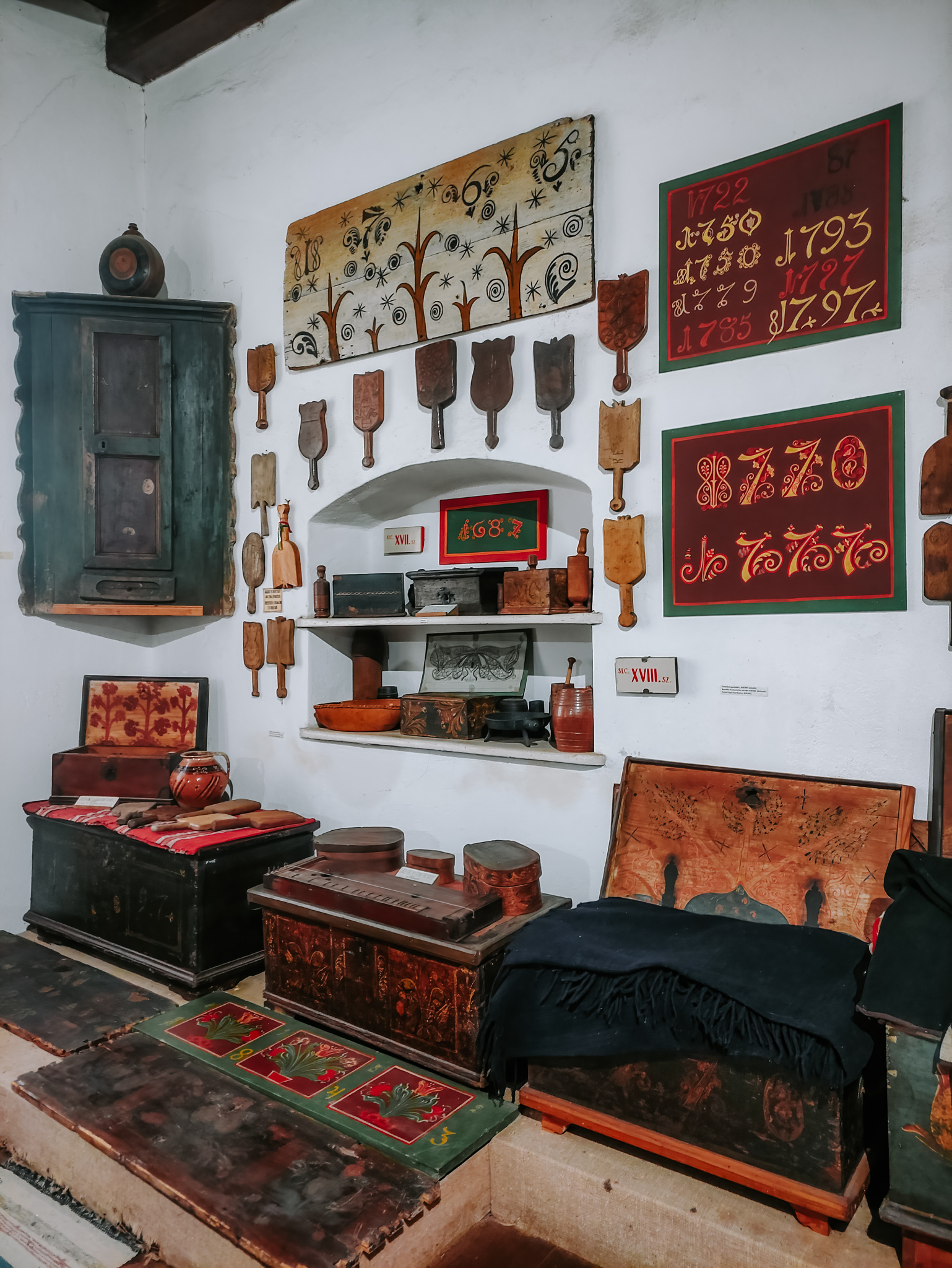
One of the museum’s standout exhibits focuses on local craftsmanship, showcasing beautifully crafted items such as hand-woven textiles, wooden carvings, and pottery, all of which were integral to daily life in the village. These pieces reflect the traditional skills passed down through generations in Csernaton, many of which are still practiced by locals today. The museum houses an impressive collection of folk art, including intricate embroidery, painted wooden boxes, and traditional costumes. Visitors can also learn about Szekler festivals, where music, dance, and the distinct Hungarian dialect are celebrated in vibrant, lively gatherings. It’s an excellent way to understand the heart and soul of this community, which has remained relatively unchanged for generations.
As we boarded our flight back, I couldn’t help but think about the incredible journey we’d just experienced. Romania, with its fascinating history, welcoming people, and beautiful landscapes, is now firmly on everyone’s radar as one of Europe’s most underrated travel destinations.







 I am Titus and this is my photography in a blog style portfolio.