Does Gear Matter?
Conclusively, while gear does matter to some extent—especially when it comes to achieving specific technical results—it’s not the sole determinant of a great photo. Vision, creativity, knowledge, and practice ultimately play more significant roles. So, while it’s beneficial to invest in good equipment over time, remember that the best camera is the one you have in hand, and what matters most is the passion to capture the world around you. Happy shooting!
My journey into travel and walk Photography with Fujifilm:
When I first dipped my toes into the world of travel and walk photography, I started with a Fujifilm X-T1
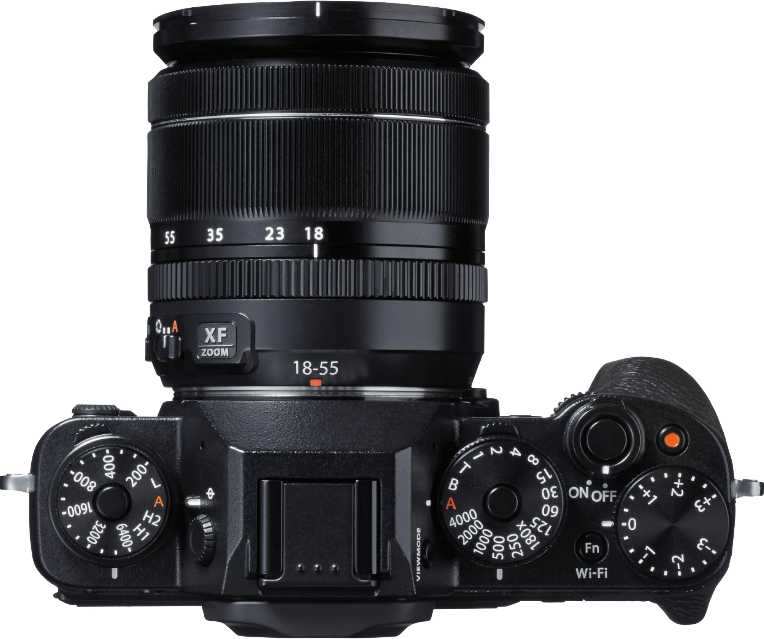
paired with its kit lens. That camera was my trusty companion on many adventures, capturing everything from breathtaking landscapes to candid moments on bustling streets. The X-T1’s retro design and intuitive controls drew me in, sparking a passion for photography that I never anticipated. This was the time when I had GAS (yes gear acquisitioning syndrome), you know the feeling, full backpack with all the camera gear and so on, heavy as hell and made my weekend walks a living hell if this was longer than 6 miles.
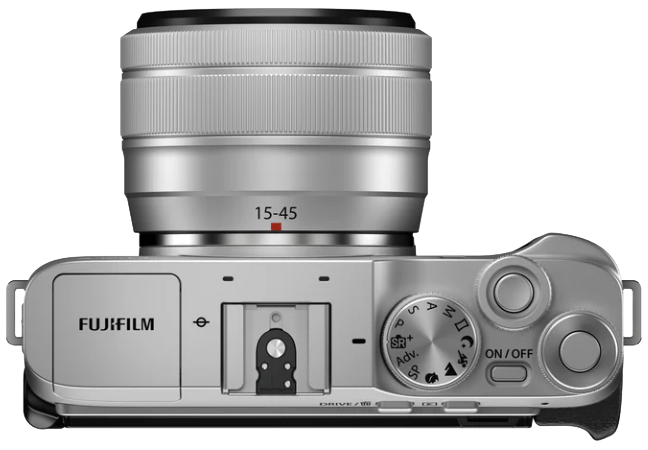
As I began to explore further, I realized I needed something lighter and more compact for those long walks where every ounce of weight matters. That’s when I purchased the Fujifilm X-A7. Its small size and lightweight build made it the perfect choice for me, allowing me to carry it effortlessly while I focused on capturing the beauty around me. Even with its compact nature, the X-A7 didn’t compromise on the image quality I had come to love, but this small camera is not weather sealed. Although never had an issue with this even in light rain, I was missing the dials from the X-T1
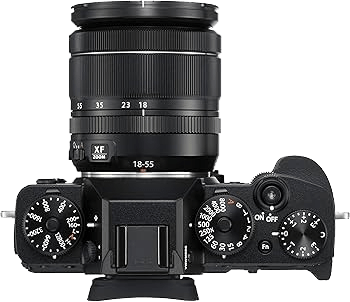
However, my journey didn’t stop there. Shortly after I got the X-A7, I felt the itch to upgrade once again. Enter the Fujifilm X-T3—this camera was a game-changer. With faster autofocus, improved low-light performance, and enhanced video capabilities, it quickly became my go-to for all types of photography. The tactile dials and retro aesthetics resonated deeply with me, allowing for quicker decisions and encouraging me to step away from automatic settings. I found myself experimenting more and pushing my creative boundaries.
What I love about the Fujifilm ecosystem is the way it challenges me. The design encourages decisive shooting; there’s something rewarding about quickly adjusting the dials rather than getting lost in menus. It’s made me more confident—and in turn, I’ve discovered new possibilities in photography that I hadn’t explored before.
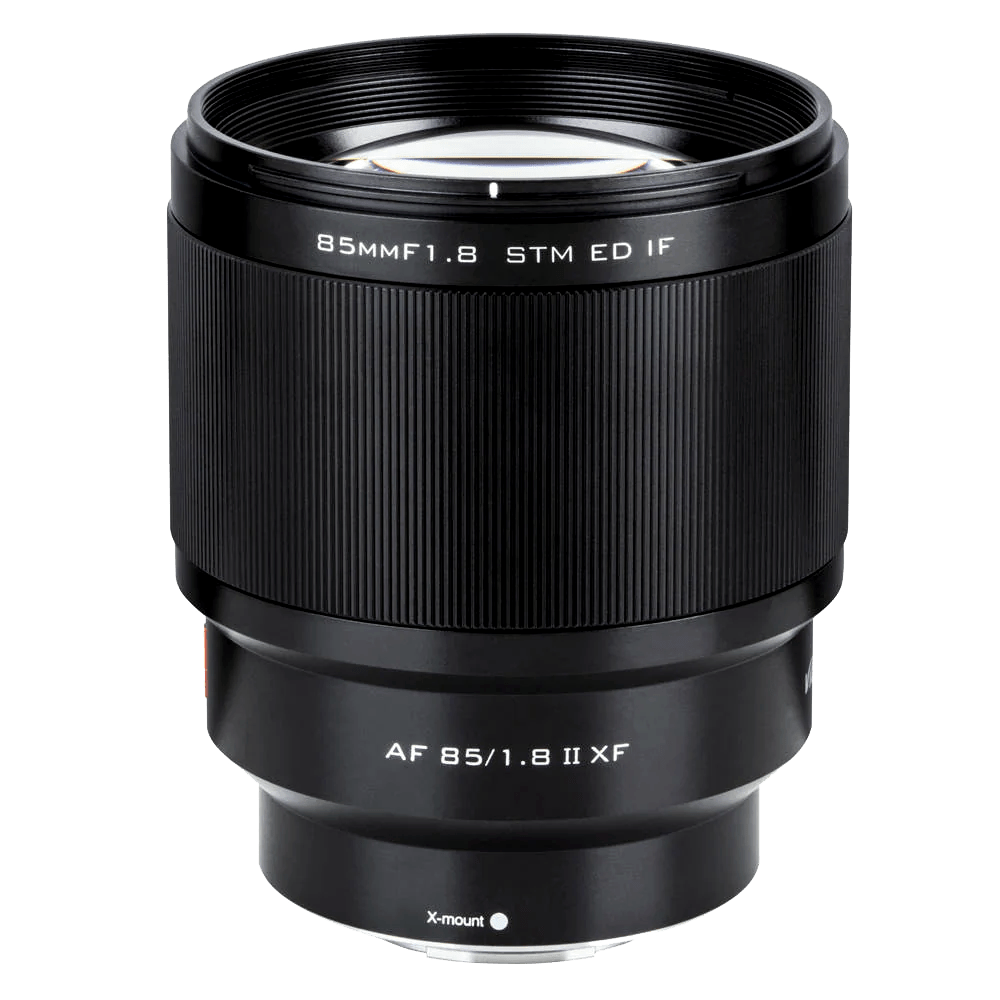
Viltrox 85mm f/1.8 – What I love about this lens is its versatility. Although it excels at portrait work, it’s also great for events, street photography, and even for walking or hiking. The sharpness and clarity across the frame make it suitable for various photography styles. I’ve found myself reaching for this lens for more than just portraits, and it never disappoints. Is constructed solidly, honestly like a tank, but still got the smoothest autofocus so is the best when you do video, giving it a premium feel despite its price point. The lens is relatively lightweight, making it easy to carry on long shoots. Its design fits seamlessly within my existing Fujifilm setup, adding to the retro aesthetic I love while being practical for my shooting needs.
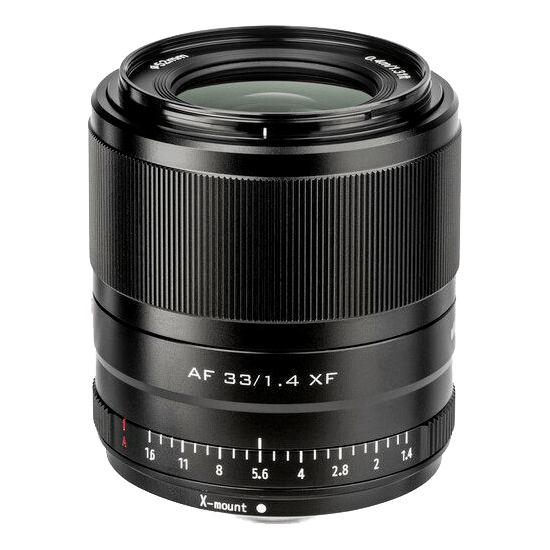
After much consideration, I decided to invest in the Viltrox 33mm f/1.4, and I couldn’t be happier with my choice. Here’s why this lens has become a beloved part of my photography gear. The 33mm focal length (equivalent to 50mm on a full-frame camera) strikes an excellent balance for nature photography. It offers a natural perspective that allows me to capture landscapes, details, and wildlife comfortably. The f/1.4 capability gives me the ability to shoot in lower light conditions—an essential feature for those early morning or late afternoon walks when the quality of light is absolutely magical. I often find myself walking for hours, so a lightweight and compact lens is ideal. The lens features durable construction that feels solid in my hands, yet it still manages to maintain a sleek profile. The focus ring is smooth and responsive, allowing for precise adjustments.
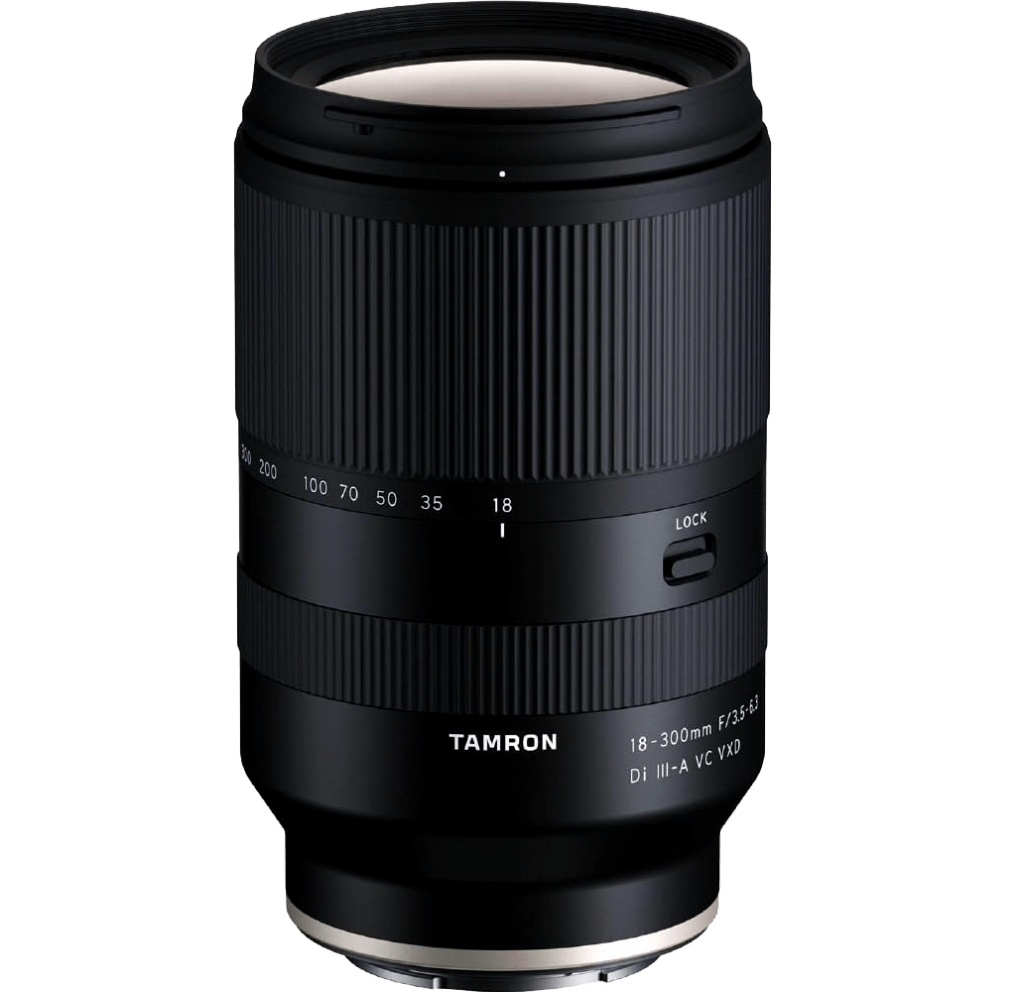
As I immersed myself deeper into nature walk photography the need for a versatile “all around” lens became increasingly apparent. I found myself frequently wishing I could seamlessly transition from wide-angle shots of sweeping landscapes to close-ups of intricate flora and fauna without having to switch lenses. I needed a lens for all. That’s when I decided to invest in the Tamron 18-300mm f/3.5-6.3 Di III-A VC VXD lens – a decision that truly transformed my photography experience.
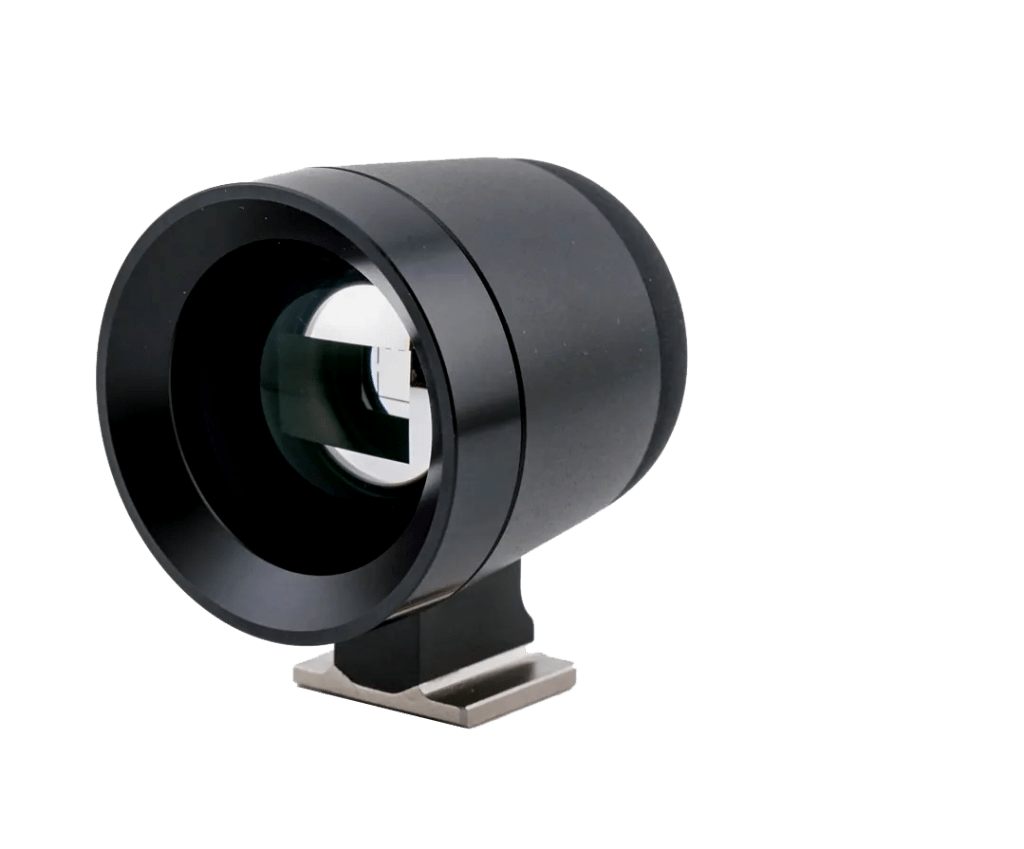
The main reasons I opted for a hotshoe viewfinder is the ability to frame my shots more accurately with my X-A7. This was my only camera with no viewfinder, this issue now is sorted and is unbelievably stylish.
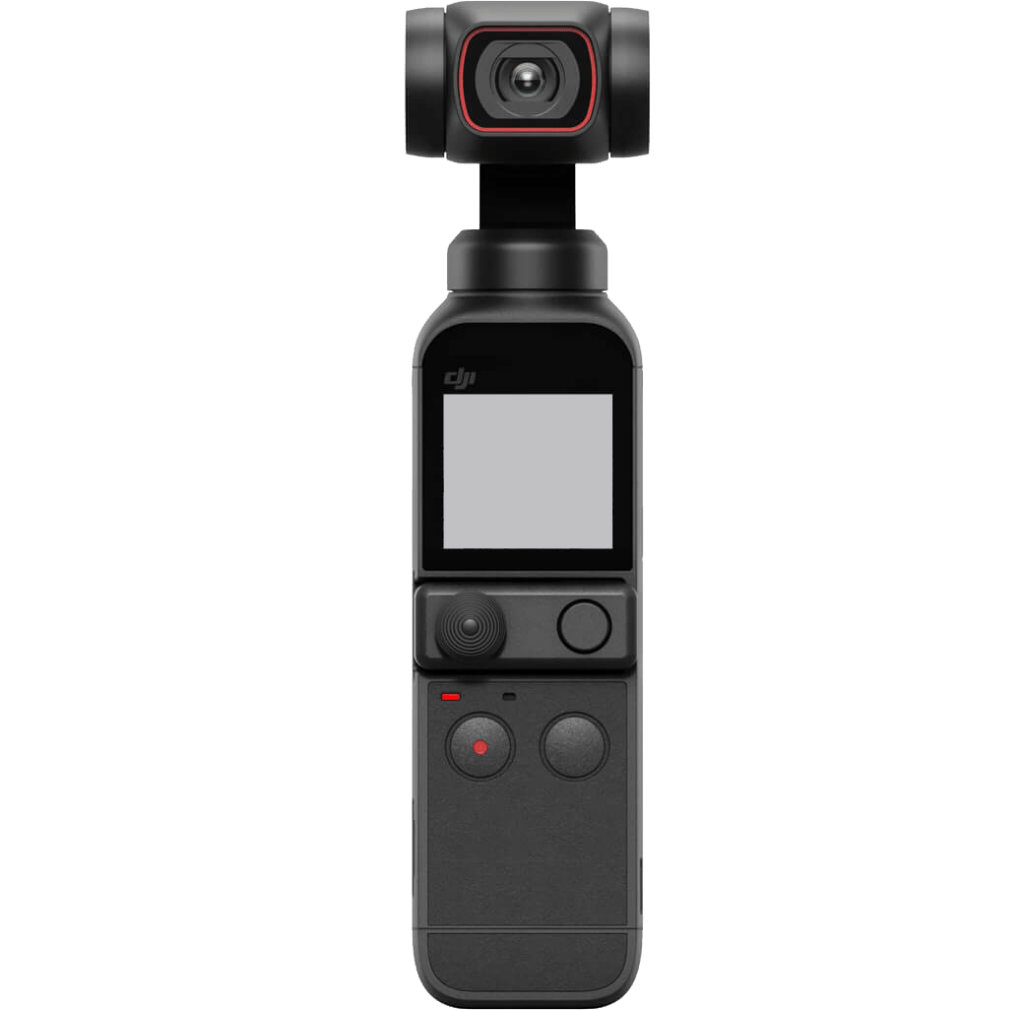
As someone who enjoys capturing the beauty of nature during my walks, I realized I needed a compact yet powerful tool to help me create engaging videos. After researching various options, I settled on the DJI Pocket 2, and it has transformed the way I document my outdoor adventures. One of the most significant advantages of the DJI Pocket 2 is its small size. Weighing in at just a few hundred grams, it easily fits in my pocket or a small camera bag, allowing me to carry it effortlessly on long hikes. This portability means I can focus on enjoying my surroundings without being weighed down by bulky equipment.
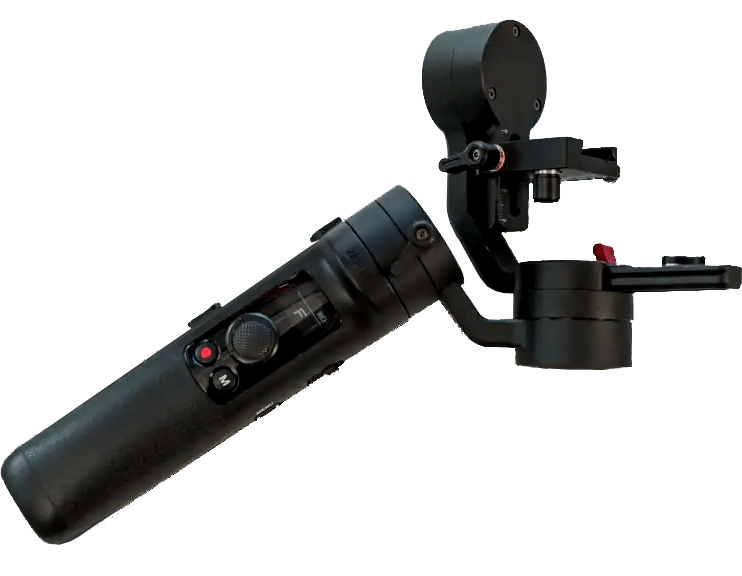
One of the main reasons I chose the Zhiyun Crane M2 is its impressive portability. The Crane M2 is lightweight and compact, just like my X-A7, making it easy to take along on my adventures without adding too much bulk. This balance of portability and stability was crucial for me, as I often find myself hiking or walking long distances, and I wanted a gimbal that wouldn’t weigh me down.
When it comes to the rest of my kit, including sling bags, backpacks, camera bag, tripods, filters, batteries that I can charge on the go, power banks that can literally charge everything (even at once), memory cards, filters, portable SSD and numerous adapters, rings and other… is better not even talk, it is a burden to have so many things, but not having them is also a challenge.
I edit my shots on a HUAWEI MATEBOOK 14 which has an unusual 3:2 aspect ratio, this was crucial when I selected this laptop as I wanted this aspect ratio so I can fit as many sliders and panels I can in the editing software’s. My monitor is a Lenovo L32p-30 4K (not to expensive, but is correctly calibrated with a Datacolor Spyder). When I edit on the fly, I do it on a 10 inch Samsung tablet.
Editing is an essential part of my photography process, allowing me to enhance my images and bring my artistic vision to life. Here are the software tools I rely on for editing my photos: Capture One Pro, Lightroom, Photoshop, Affinity Photo & all the Topaz softwares before I do large prints.
On top of these, I use Vector Magic Pro, Illustrator, Affinity Designer when I do graphic design. When I edit videos I use Premier Pro, Wodershare Filmora, or DaVinci.
My absolute best and must have tool is a very basic free software called Fastone Image Viewer. I adore this little program, can read all the raw files and is not just a brilliant image viewer, is a perfect organising tool for all the tasks I need. Ultimately, the right software can make a significant difference in shaping the visual story I want to tell through my photography. Remember taking photos is not mainly about complicated image processing, and hours of editing after, is bout grabbing a camera and going out! this supposed to be fast, this supposed to be fun!

I have one rule, (unless is a commercial shoot when I shoot for client) I take only one camera with one single lens for a nature walk. Over time, I’ve learned that less can indeed be more, especially during nature walks where mobility is key. Having a well-organized camera bag is critical for carrying a reduced load comfortably. I use a lightweight, easy-to-carry bag that allows quick access to my gear without adding unnecessary bulk, in fact I carry more food and water than camera gear as the only camera I have on me at walks is always strapped to my wrist or hangs on me somewhere very accessible.
You can enjoy photography without spending a fortune. Look at my gear is 4000GBP at most on the second hand market (I encourage you buying used, don’t be afraid), a real studio pro photographers one single camera body worth multiple times this money. Think about it, you have a powerful camera in your pocket already, your smartphone, plus you get an affordable workhorse like any Fuji XT, or a super light pocket size camera and you ready to go, the rest you will learn by experiencing and doing, not just talking about and dreaming about getting out, … doing, so grab yourself a pair of comfy walking boots, put some sandwiches, a glass of water, have some change in the pocket and off you go.
You absolutely don’t have to break the bank to enjoy photography.
 I am Titus and this is my photography in a blog style portfolio.